How to Draw a Great Horned Owl
A free step-by-step lesson in 10 steps — about 24 minutes with just a pencil, an eraser and paper. Draw the light shapes first; they get erased at the end.
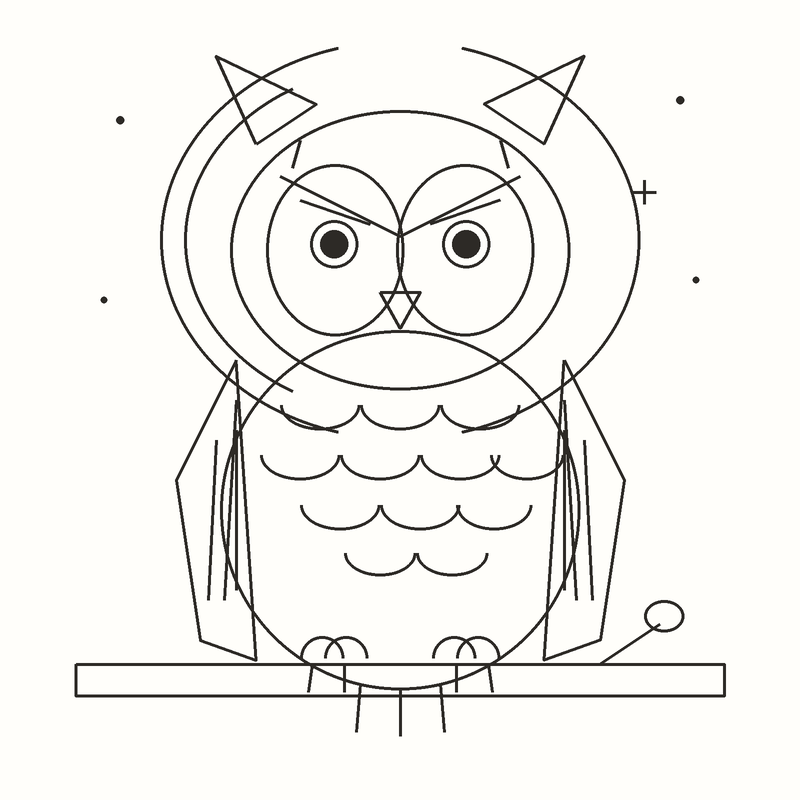
The 10 steps
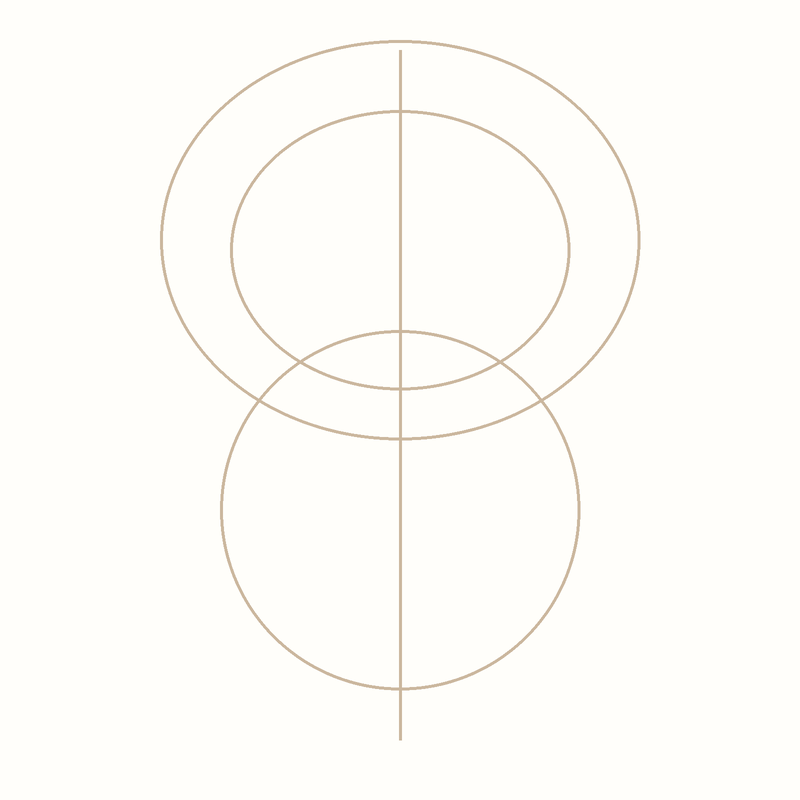
Lightly mark the centre line, a wide head oval, a taller body oval beneath it, and a big circle for the moon behind everything.
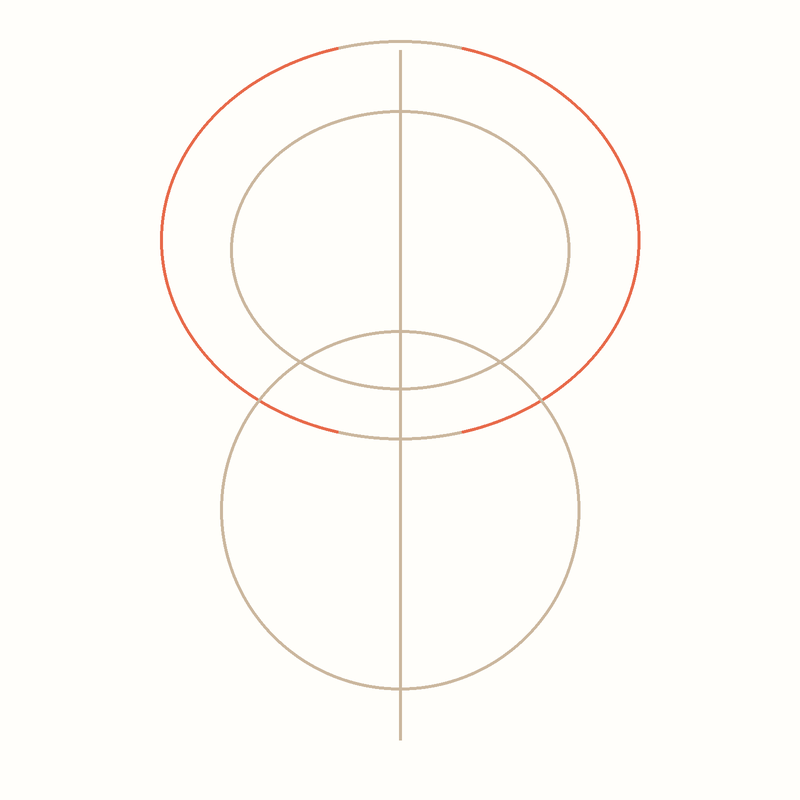
Ink the moon as three arcs peeking out around the head and body, then ink the head and body ovals themselves.
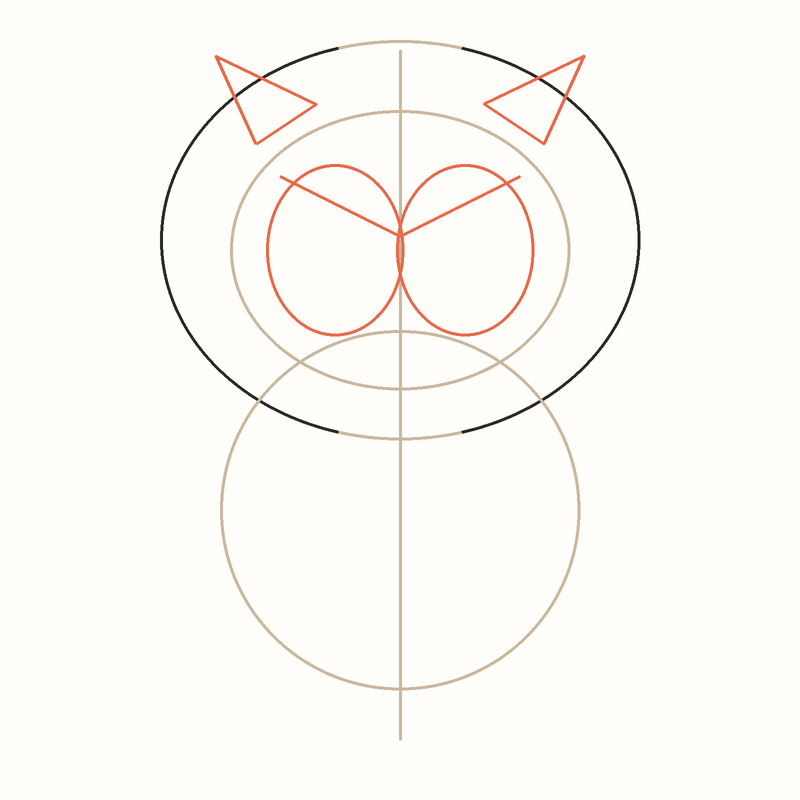
Add the pointed ear tufts, the two big facial discs, and the fierce V brow that gives this owl its glare.
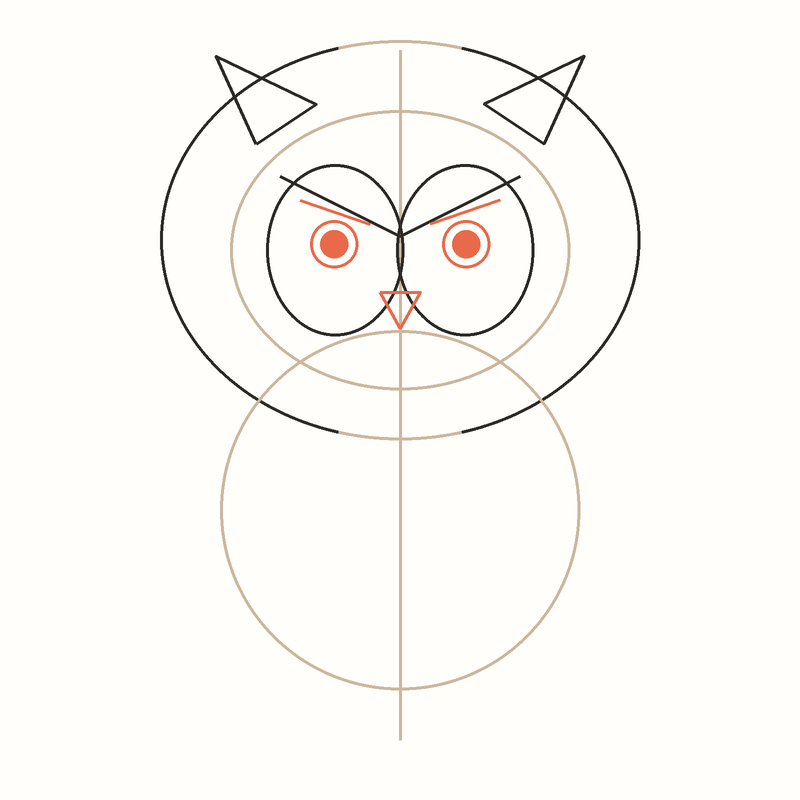
Ring both eyes and fill the pupils dark, shade short strokes under the brow, and hook the small sharp beak between the discs.
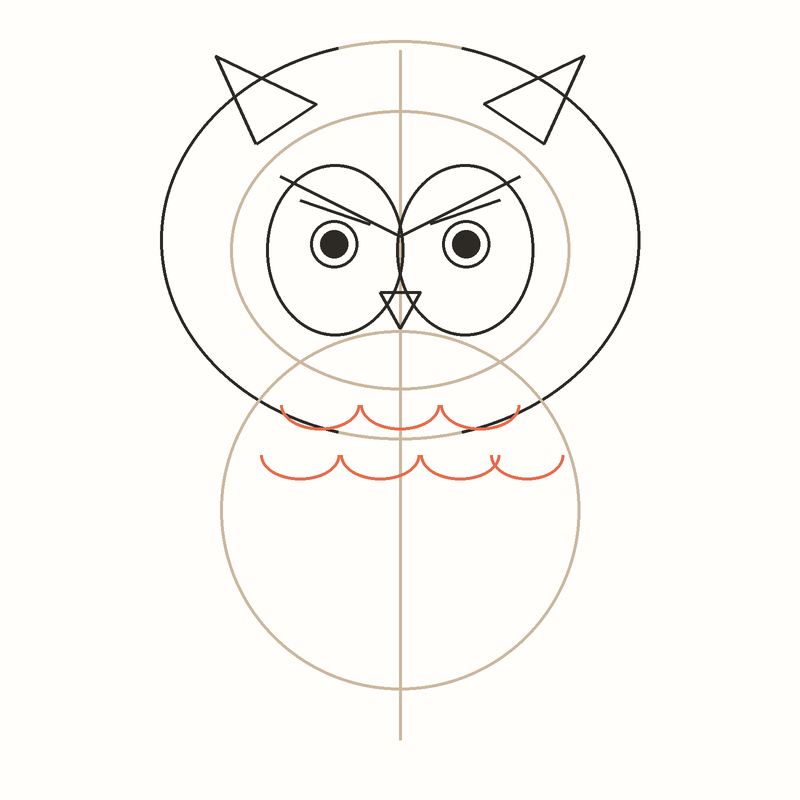
Start the chest feathers: two rows of overlapping scallop arcs, each row offset half a feather from the one above.
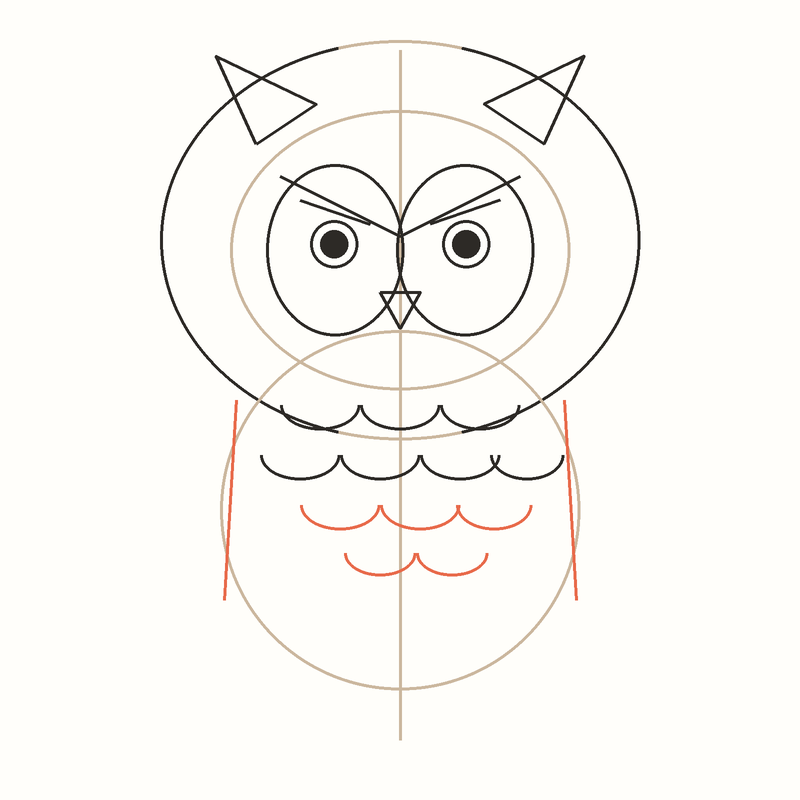
Continue the scallops down the belly, smaller as they go, and close the body's sides with two long lines.
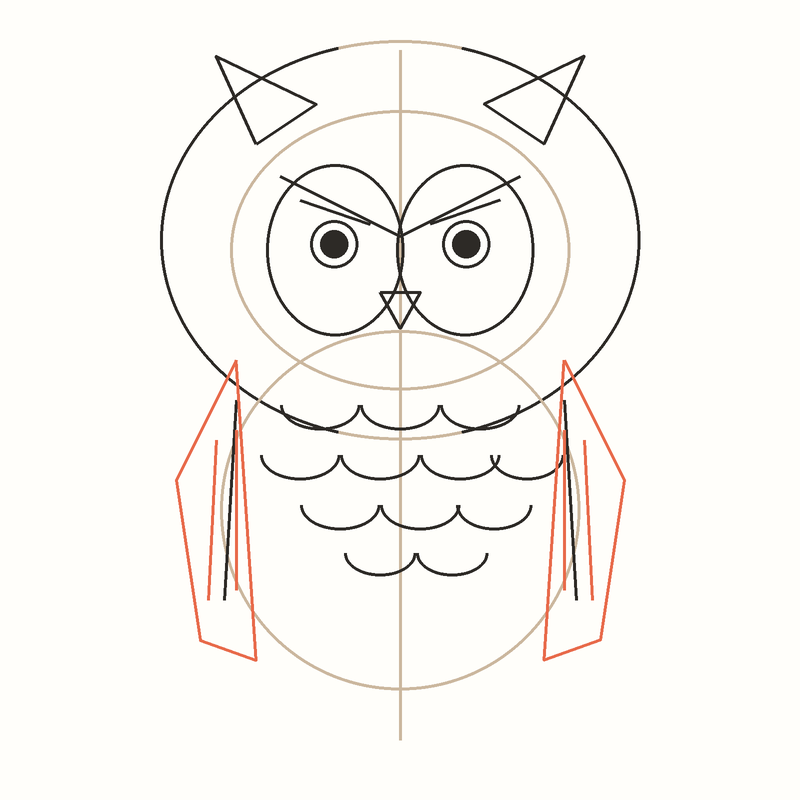
Fold the wings down both sides as long tapered shapes, with two feather separation lines running down each wing.
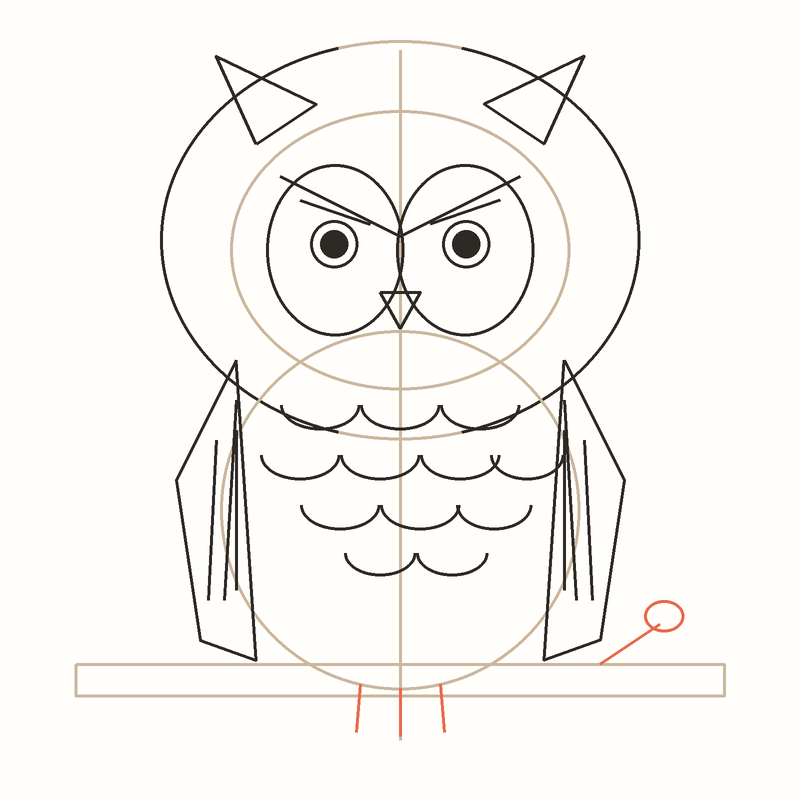
Draw the perch branch straight across, a small twig with a leaf, and three tail feather tips poking below the branch.
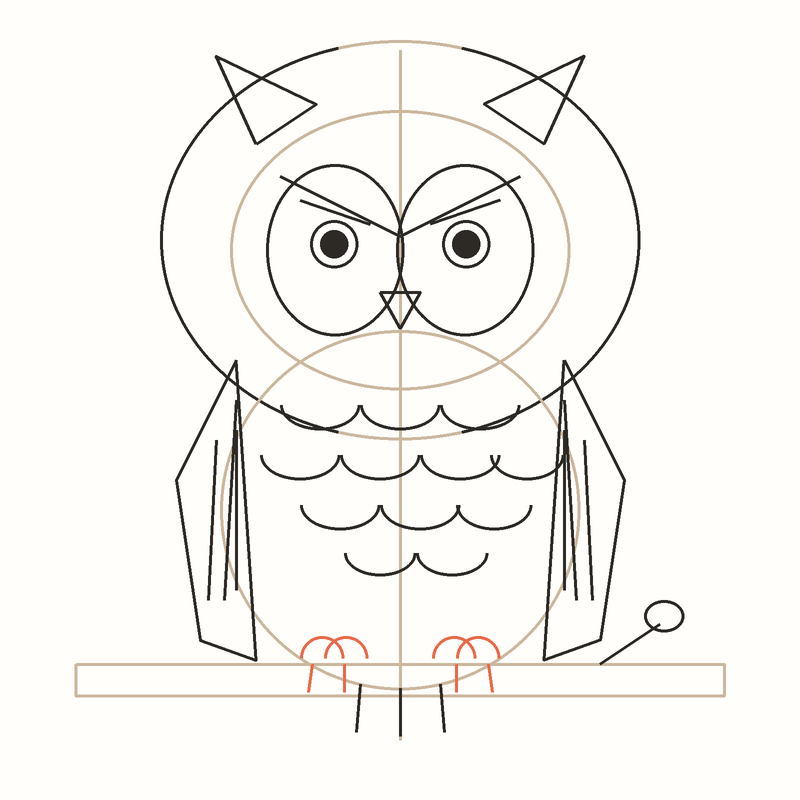
Grip the branch with talons: pairs of hooked arcs curling over the top of the branch on each foot, with toe lines dropping behind.
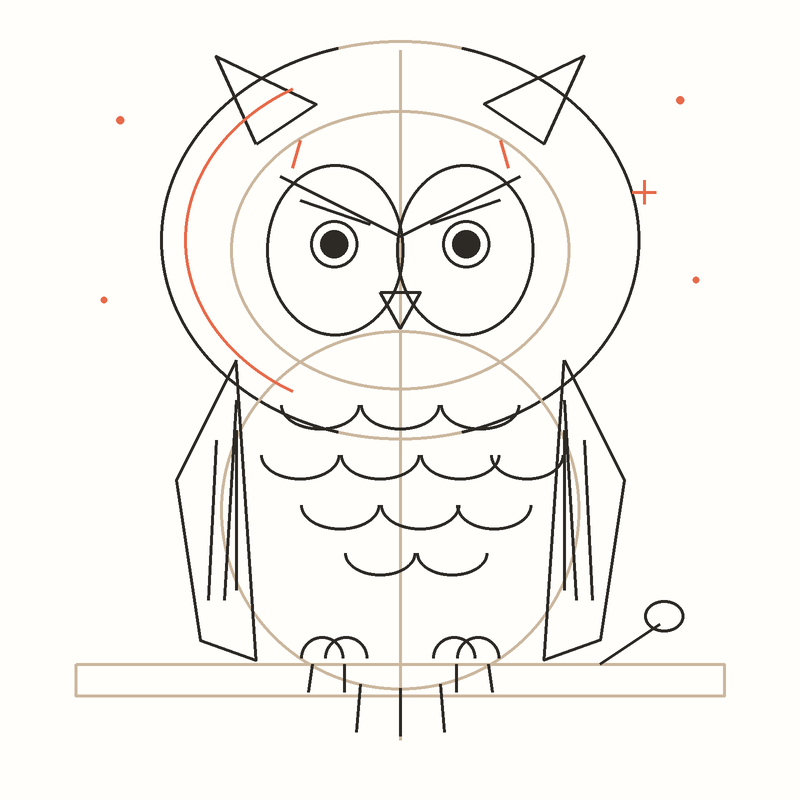
Finish with stars, a sparkle, short feather strokes on the head, and one inner arc to give the moon its glow. Master tier!
Coach tips for this lesson
Before you call it done, run these three checks — they're the same ones the app asks in its Coach Check:
- Do the chest scallops overlap in offset rows like real feathers, instead of lining up in a grid?
- Does the brow V make the owl look fierce rather than surprised?
- Do the talons clearly hook OVER the branch, with toes visible behind it?
Feathers overlap like roof shingles: each new row starts halfway across the feather above it, so no vertical seams line up. If your scallops stack in straight columns, shift every second row half a step sideways — that offset is what makes it read as plumage instead of bathroom tiles.
The great horned owl's glare comes from the brow: a sharp V dipping low between the eyes, with the discs tilted under it. If the V is too shallow or the eyes sit too high, the owl looks startled. Deepen the V until its point nearly touches the beak, and keep the pupils centred and staring straight out.
Perching birds wrap their toes around the branch: the hooked arcs must cross the branch's top edge and the toe lines must reappear below it. If the feet just rest on top like a statue on a shelf, extend the hooks over and drop the toes behind until the grip looks load-bearing.
Finish this lesson in the app
In the free Draw.guru app you can trace this lesson on screen for an instant score, or photograph your paper drawing and overlay it on the reference with Smart Compare. Join the waitlist for launch.
One launch email, that's it. No spam, unsubscribe any time.