Home · Lessons · Faces & Portraits
How to Draw a Laughing Expression
A free step-by-step lesson in 10 steps — about 22 minutes with just a pencil, an eraser and paper. Draw the light shapes first; they get erased at the end.
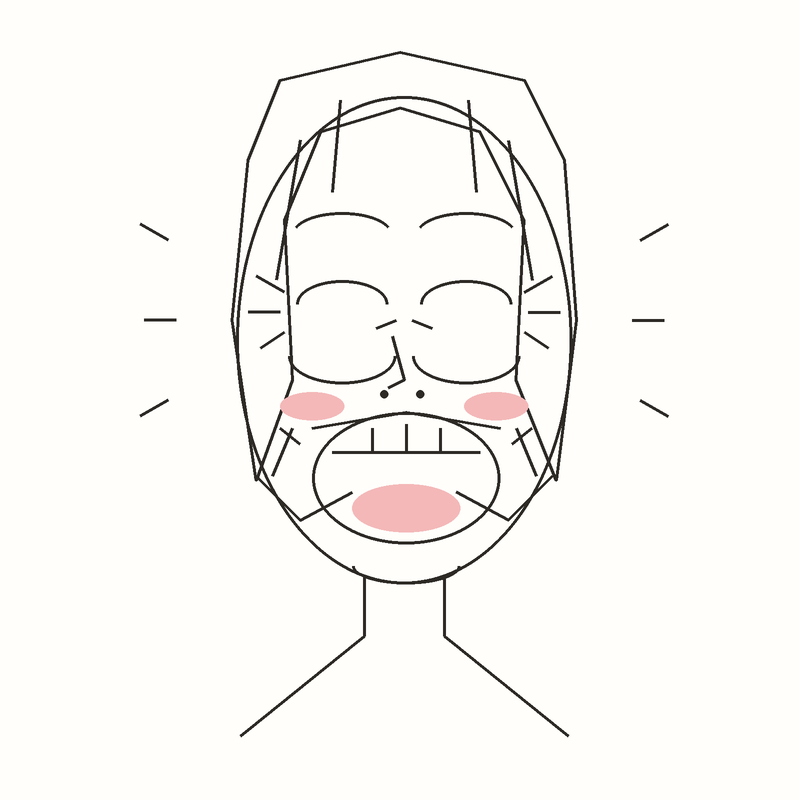
The 10 steps
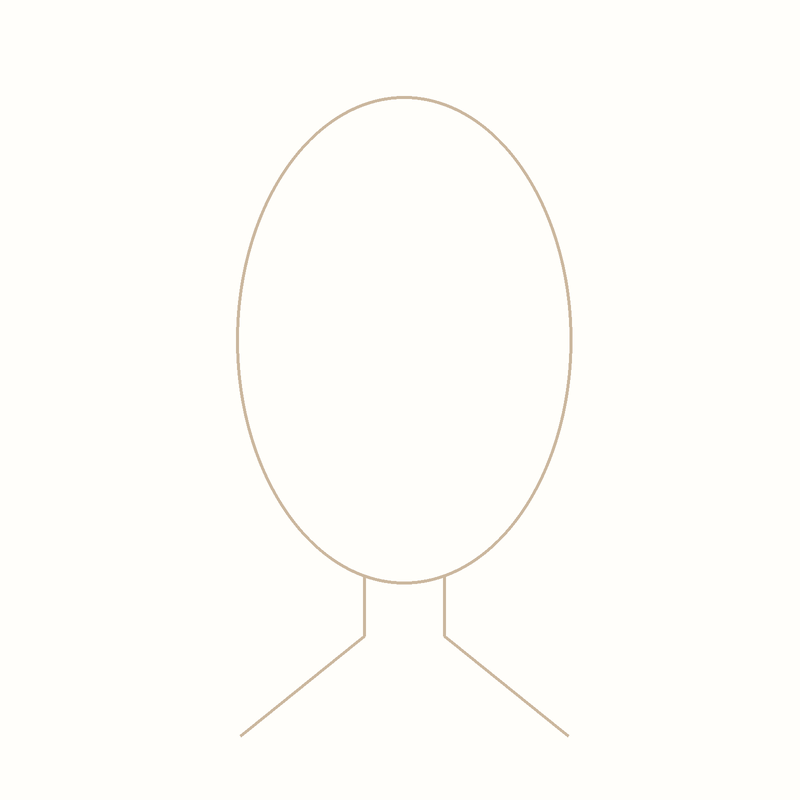
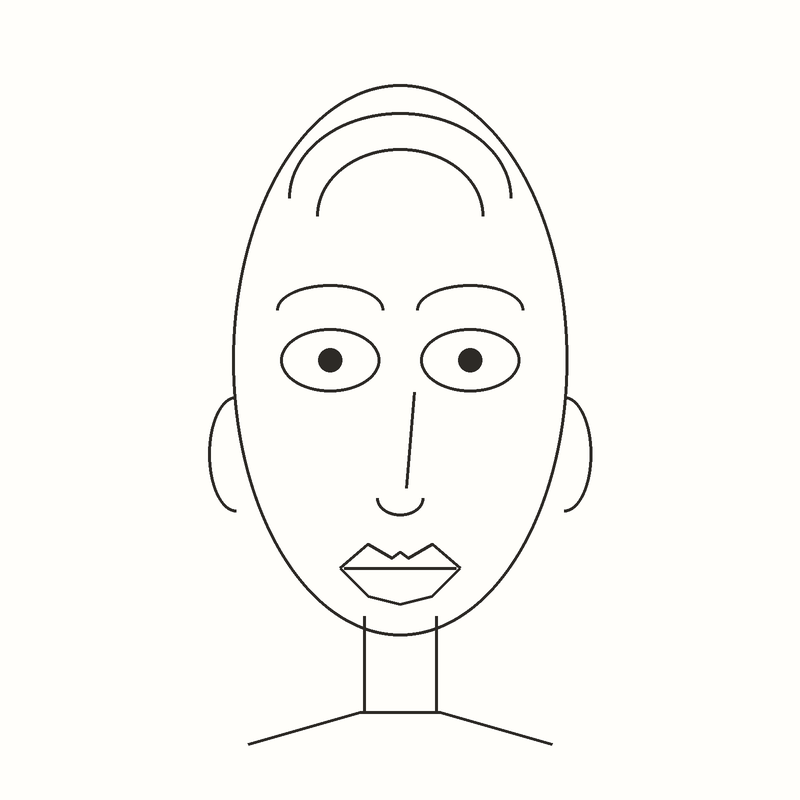
Draw the oval, neck and shoulders as usual — then get ready to break the calm. Laughter moves every feature on the face at once.
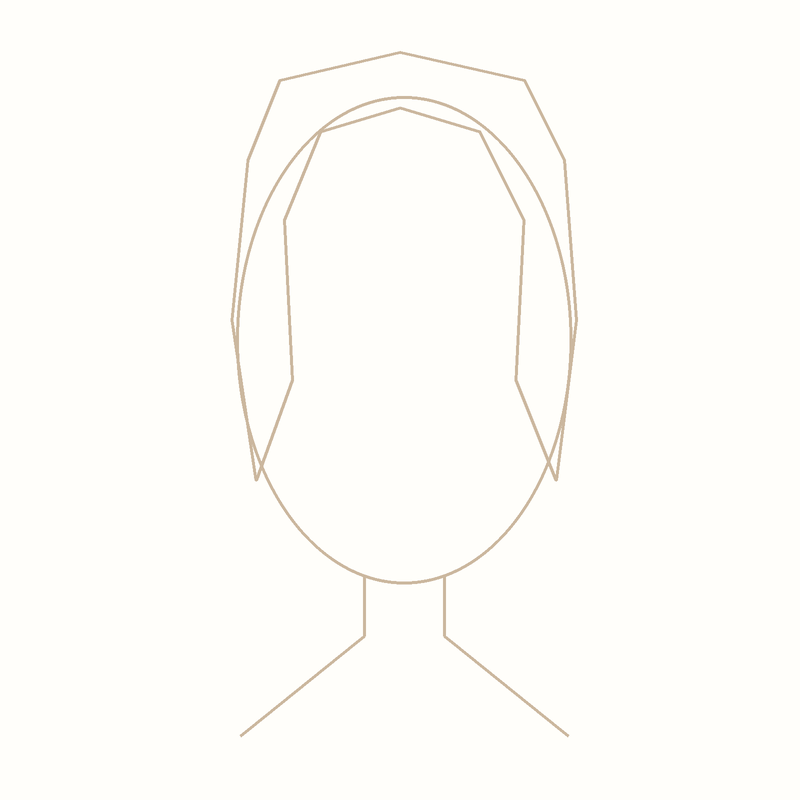
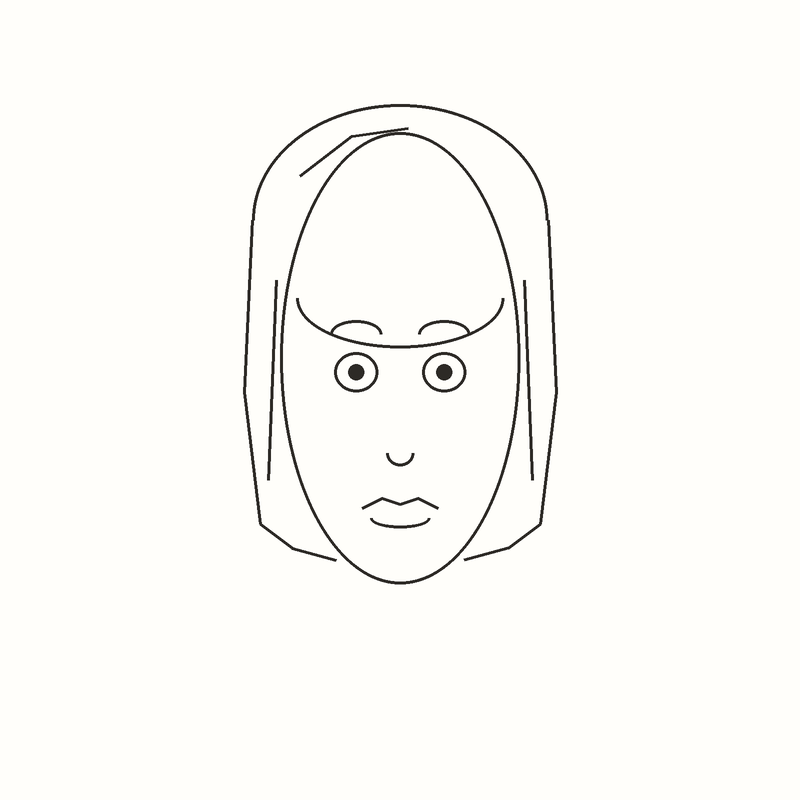
Frame the face with a wavy bob, its inner edge swinging wide of the cheeks. Laughing faces need room: the cheeks are about to expand.
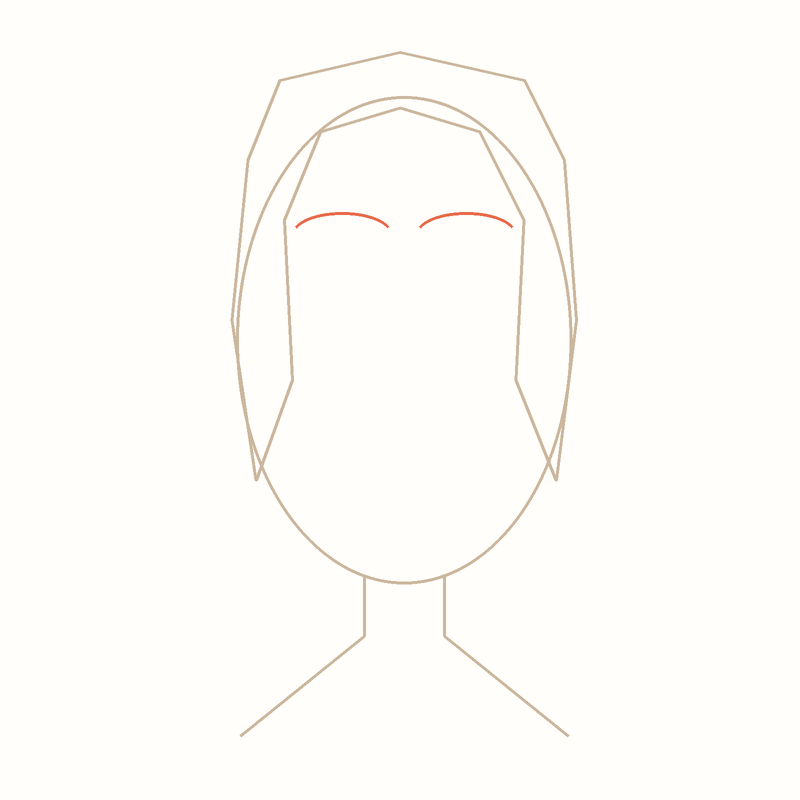
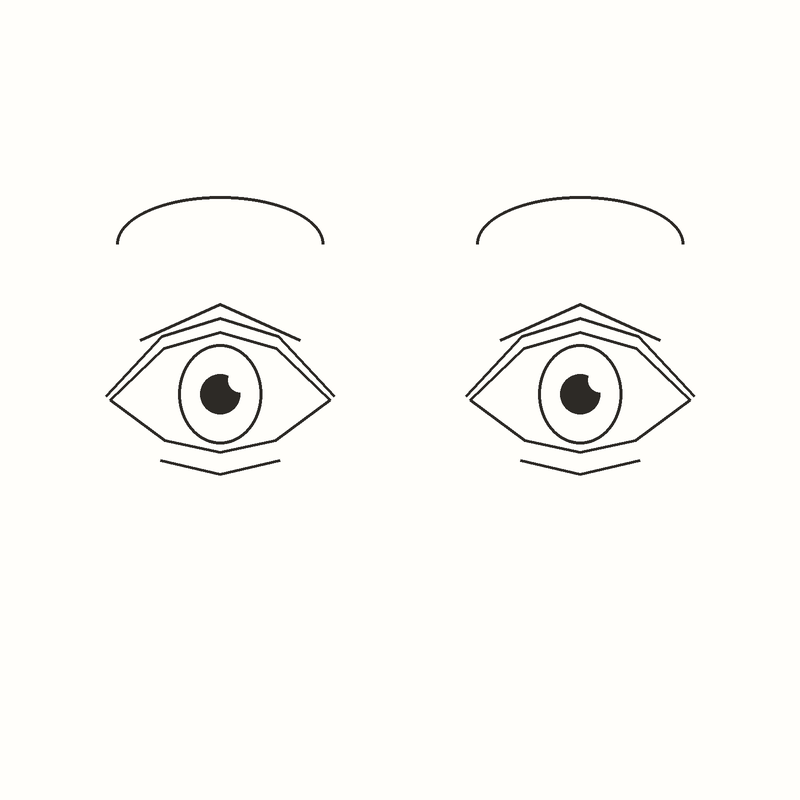
Raise the brows HIGH. Laughter lifts them — draw two surprised arcs well above where the eyes will be.
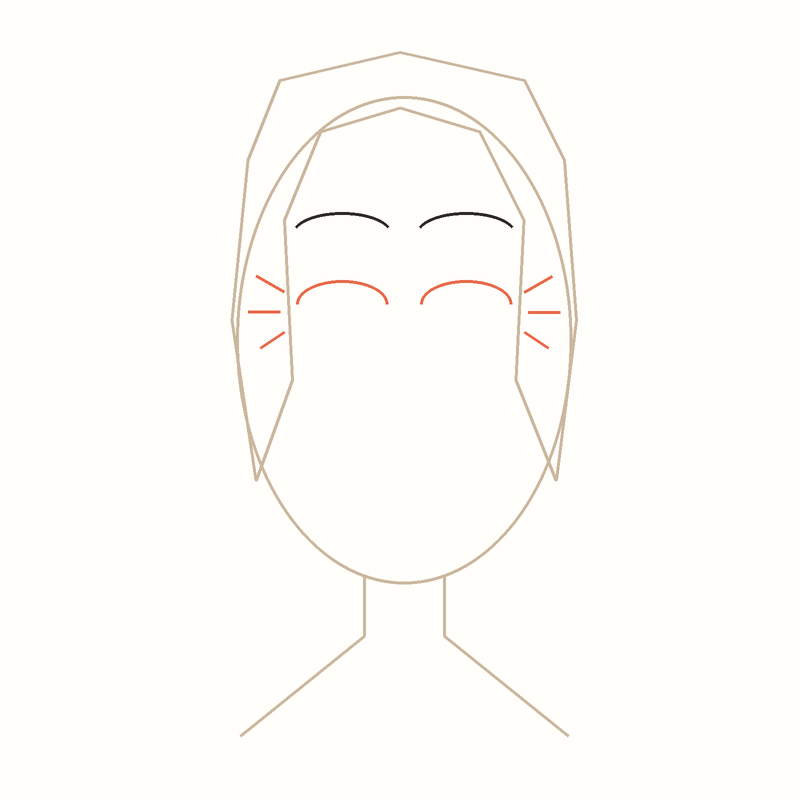
Squeeze the eyes shut into two upside-down U arcs, and fan three crow's feet from each outer corner. Closed eyes are the loudest part of a laugh.
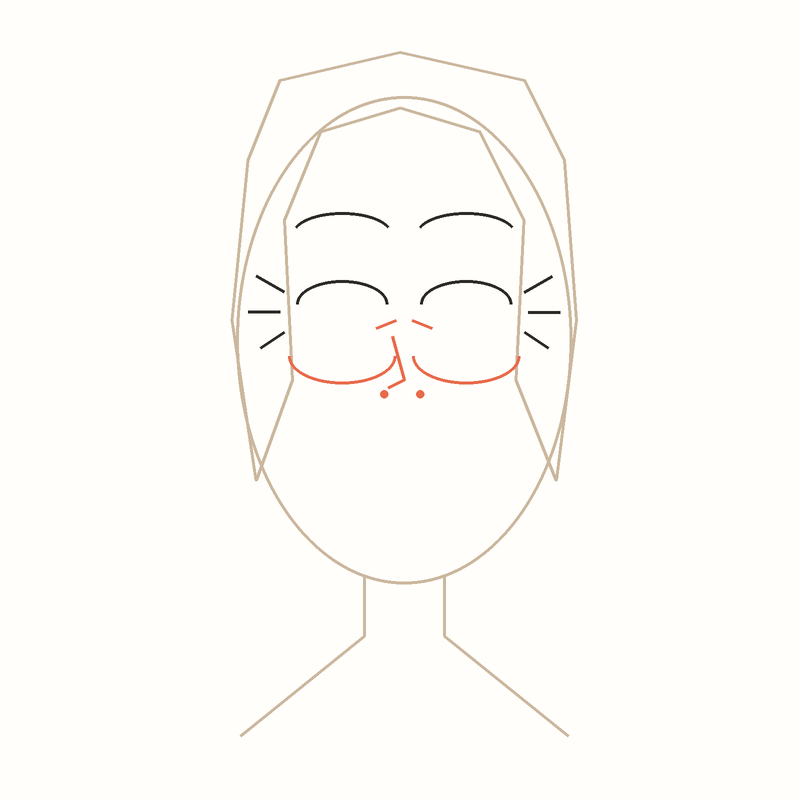
Push the cheeks UP into two round arcs that nearly touch the eyes, and scrunch the nose with two little wrinkle lines across its bridge.
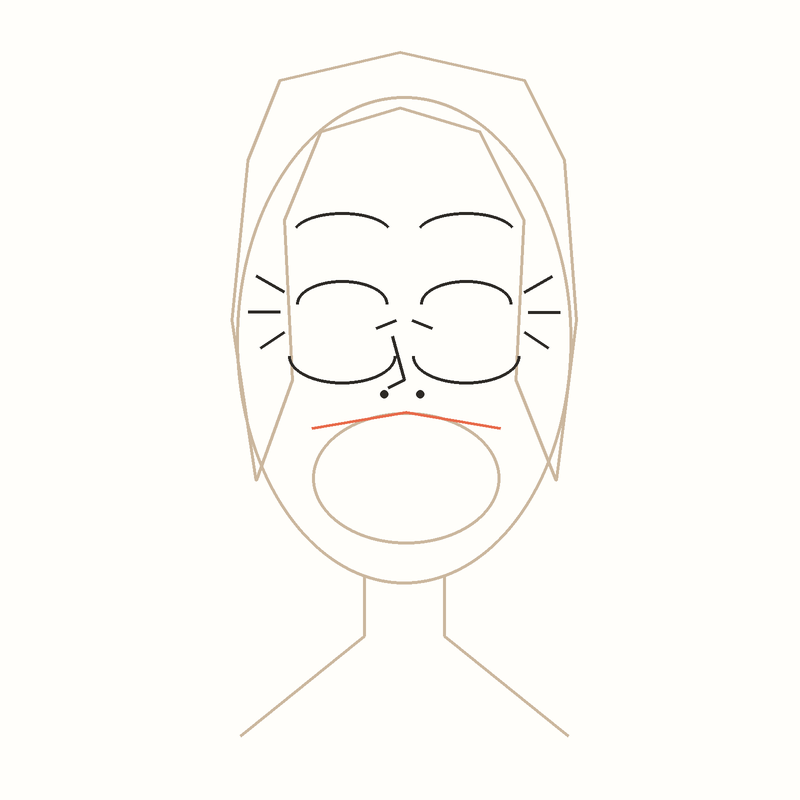
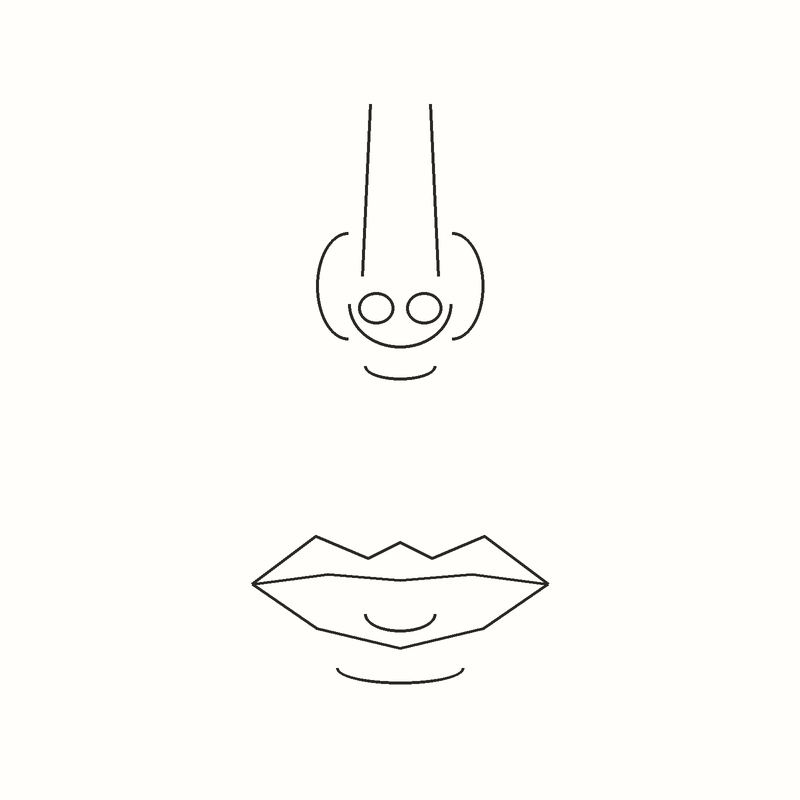
Open the mouth wide — a big oval dropped low on the face, with its top edge riding up in the middle. Timid mouths cannot laugh.
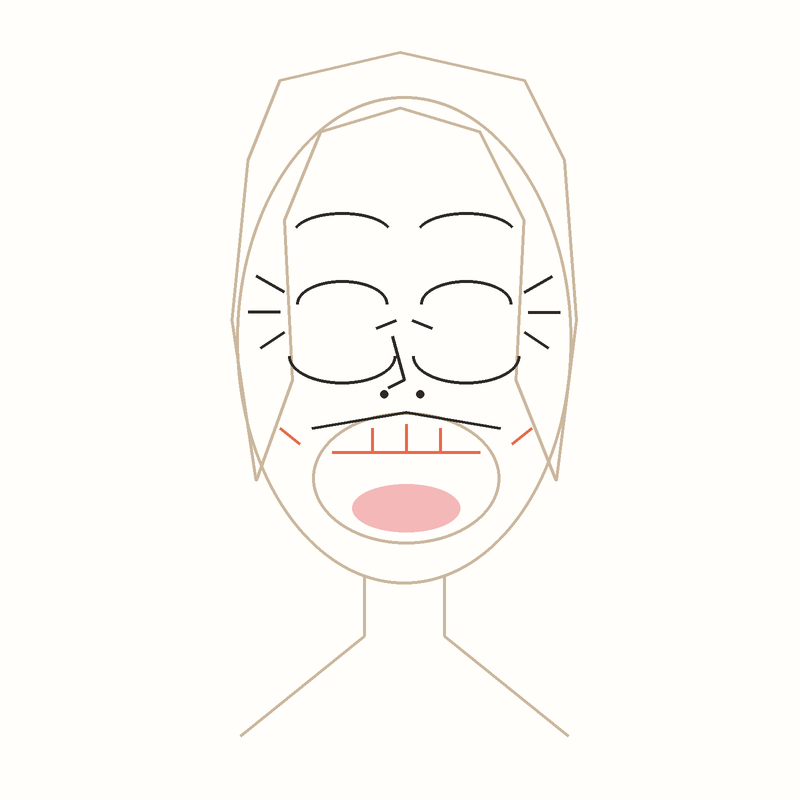
Band the top of the mouth with a teeth line and three short dividers, float the tongue at the bottom, and flick the mouth corners upward.
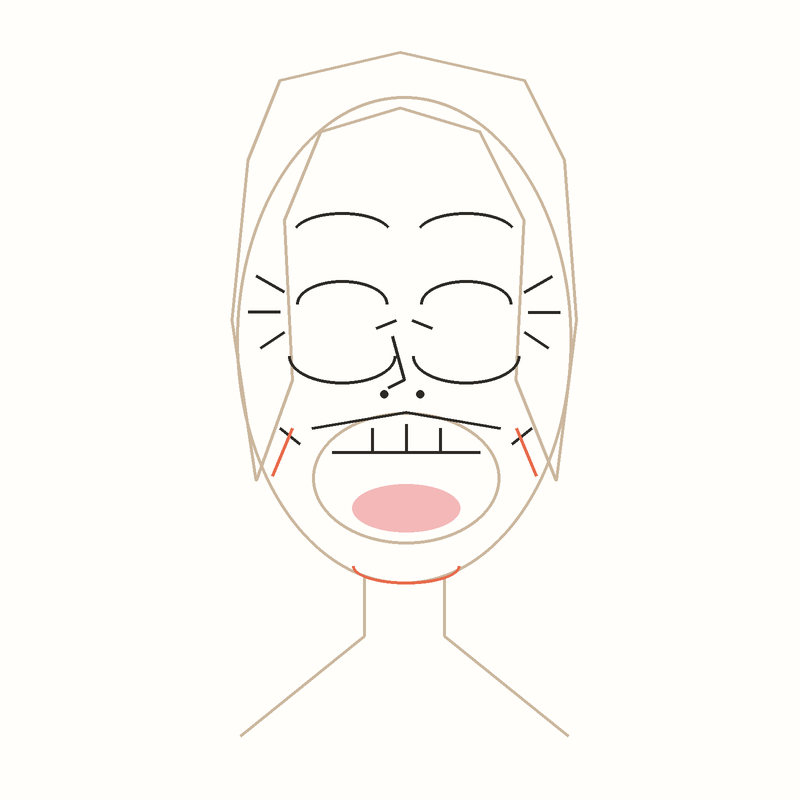
Add the chin arc under the mouth and two laugh lines bracketing it, running from the cheeks down.
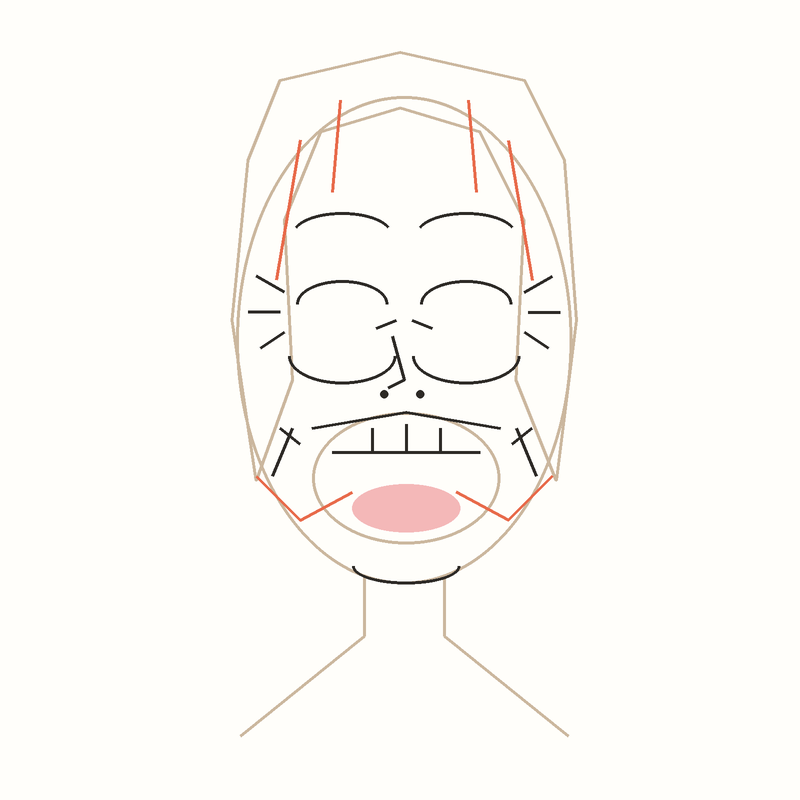
Comb strands through the bob, following its wave, so the hair feels like it is bouncing too.
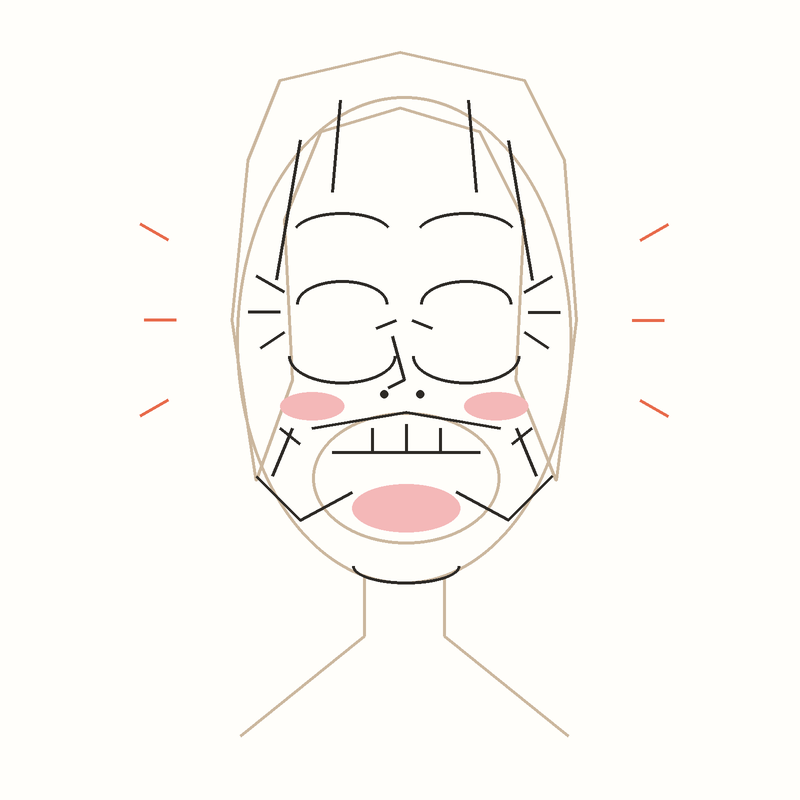
Finish with motion ticks shaking at both sides of the head and a warm blush high on the raised cheeks. She is gone — full belly laugh.
Coach tips for this lesson
Before you call it done, run these three checks — they're the same ones the app asks in its Coach Check:
- Are the eyes fully closed arcs, with the cheeks pushed up to meet them?
- Is the mouth big, low and open — with teeth AND tongue visible?
- Do the brows, crow's feet and motion ticks all agree that this is laughter?
A laughing eye is not a wink — it is squeezed shut by the cheek rising beneath it. Draw the eye as a firm upside-down U, then push the cheek arc up until it almost touches. If there is a calm gap between cheek and eye, the expression reads as a polite smile no matter how big the mouth is.
Laughter needs volume. The mouth should be the biggest feature on the face, dropped low toward the chin, with a clear teeth band at the top and the tongue showing at the bottom — that dark open space between them is the sound. A small neat smile with teeth is a photograph smile, not a laugh.
Big expressions are systems: brows up, eyes shut, cheeks up, nose scrunched, mouth open, head shaking. If only the mouth laughs while everything else stays calm, viewers feel something is wrong without knowing why. Walk the whole face and ask of every feature, 'what does laughter do to you?' — then draw that.
Finish this lesson in the app
In the free Draw.guru app you can trace this lesson on screen for an instant score, or photograph your paper drawing and overlay it on the reference with Smart Compare. Join the waitlist for launch.
One launch email, that's it. No spam, unsubscribe any time.