Home · Lessons · Objects & Still Life
How to Draw a Still Life with Drapery
A free step-by-step lesson in 12 steps — about 32 minutes with just a pencil, an eraser and paper. Draw the light shapes first; they get erased at the end.
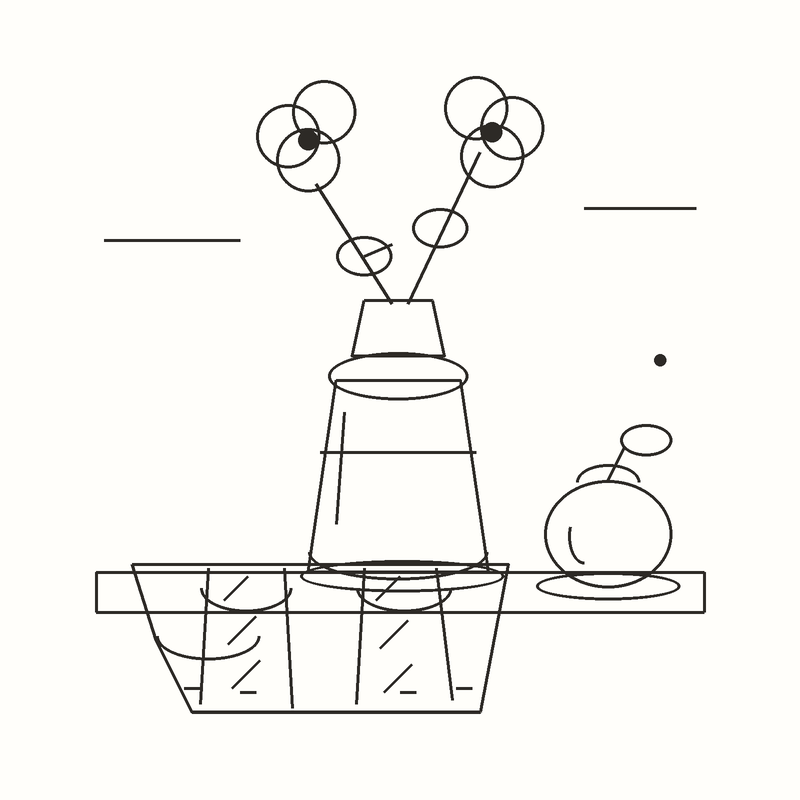
The 12 steps
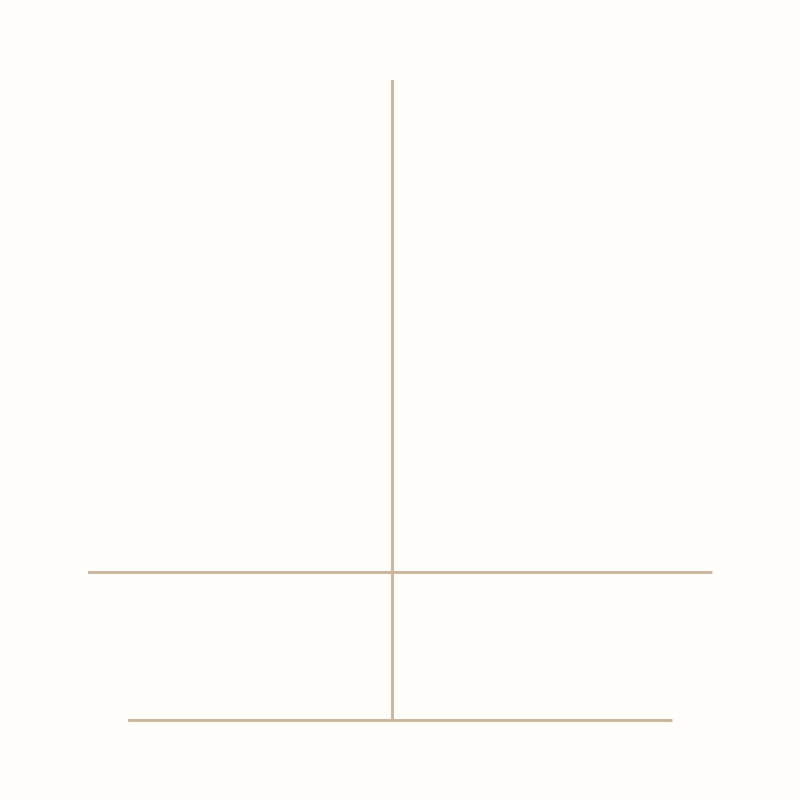
The Objects boss is a whole composition, so plan it like one: the table line, a centre guide, and the ground. Everything you draw will answer to that table line.
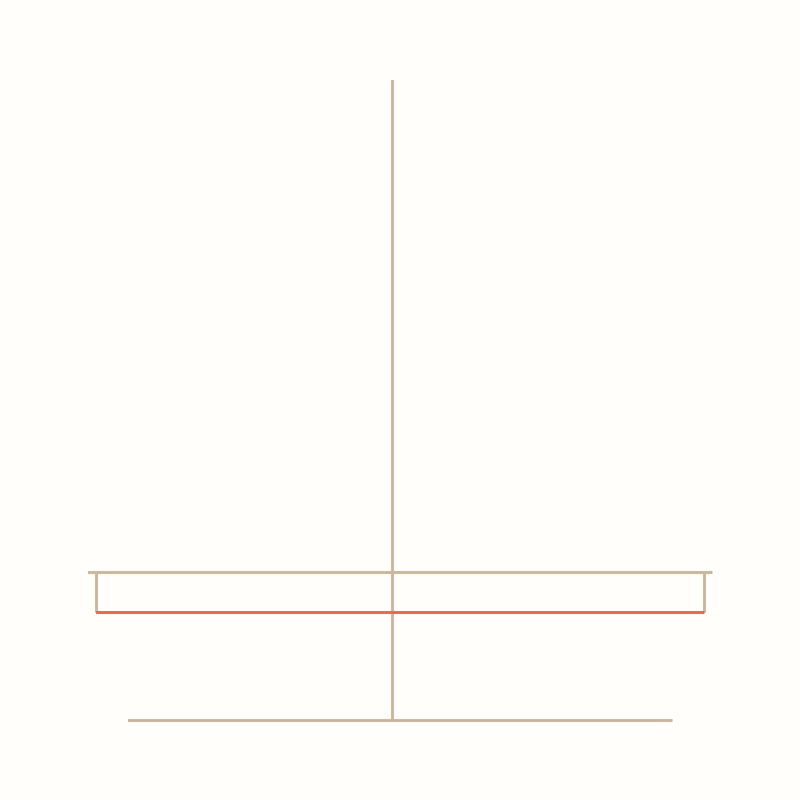
Build the table — a top edge and a shallow front face. Plain, level, and honest; the drapery will do the showing off.
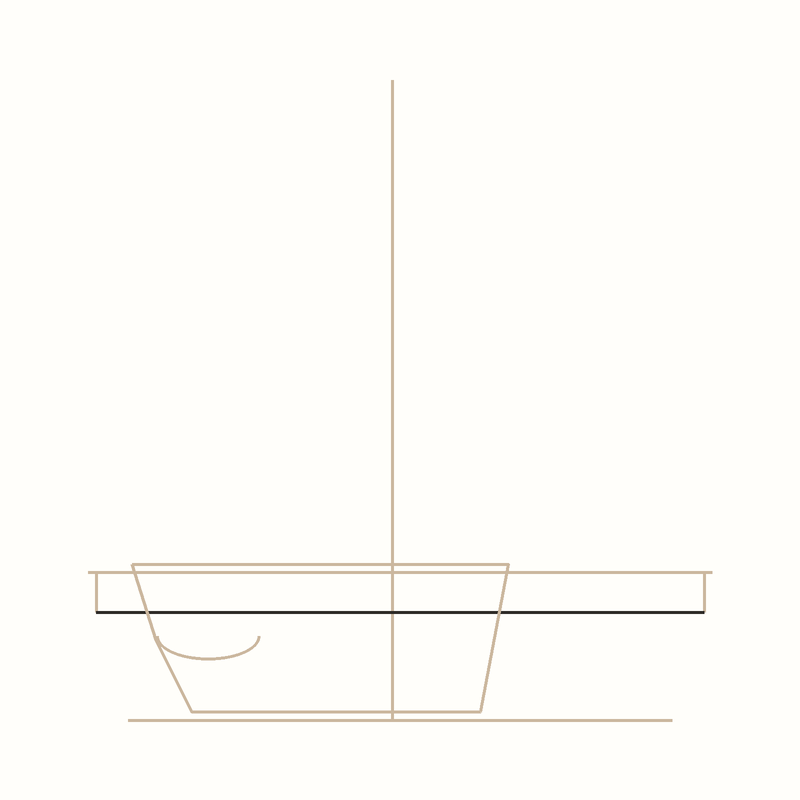
Pour the cloth over the edge: it runs along the top, then drops in one long hanging sheet left of centre, ending in a soft scalloped hem corner.
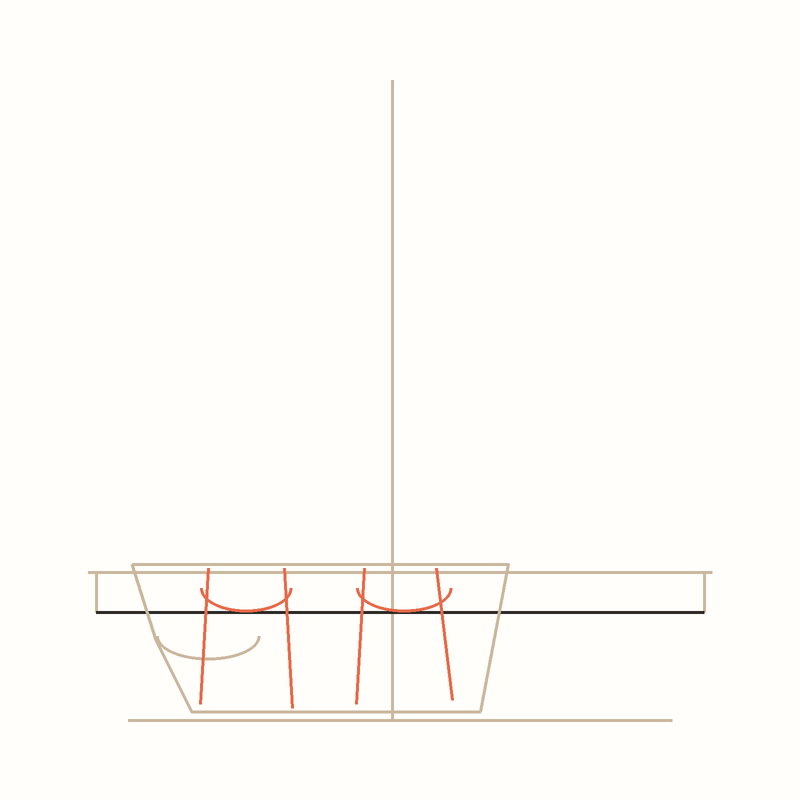
Carve the folds: four long lines falling straight down the hanging cloth — gravity draws these, you just follow — with two shallow arcs where the cloth bends over the edge.
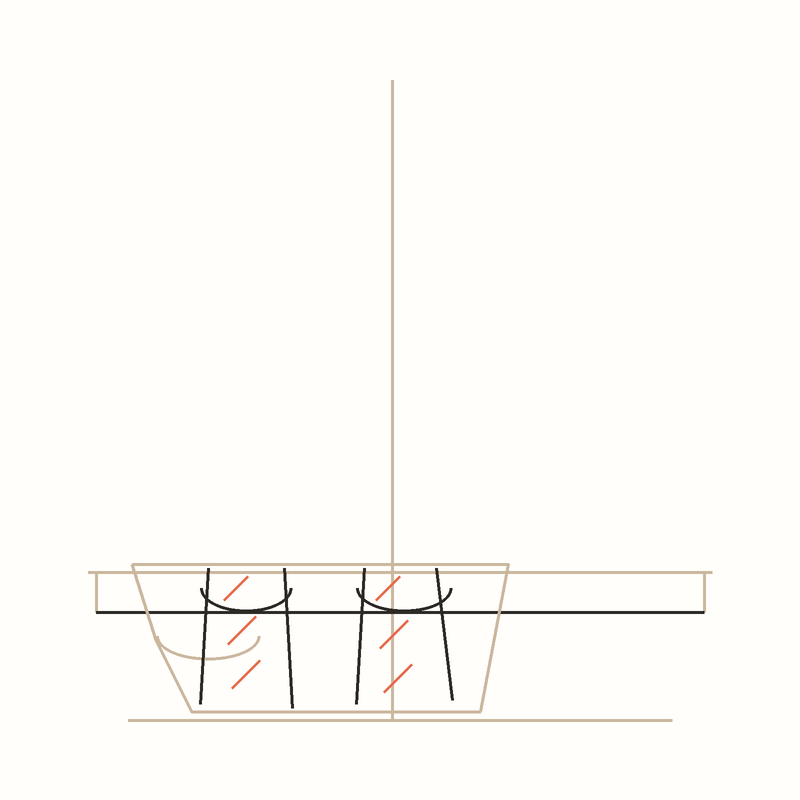
Hatch the shadow inside alternate folds: short diagonal strokes, all leaning the same way, all inside the fold boundaries. One light source, one hatch direction, no exceptions.
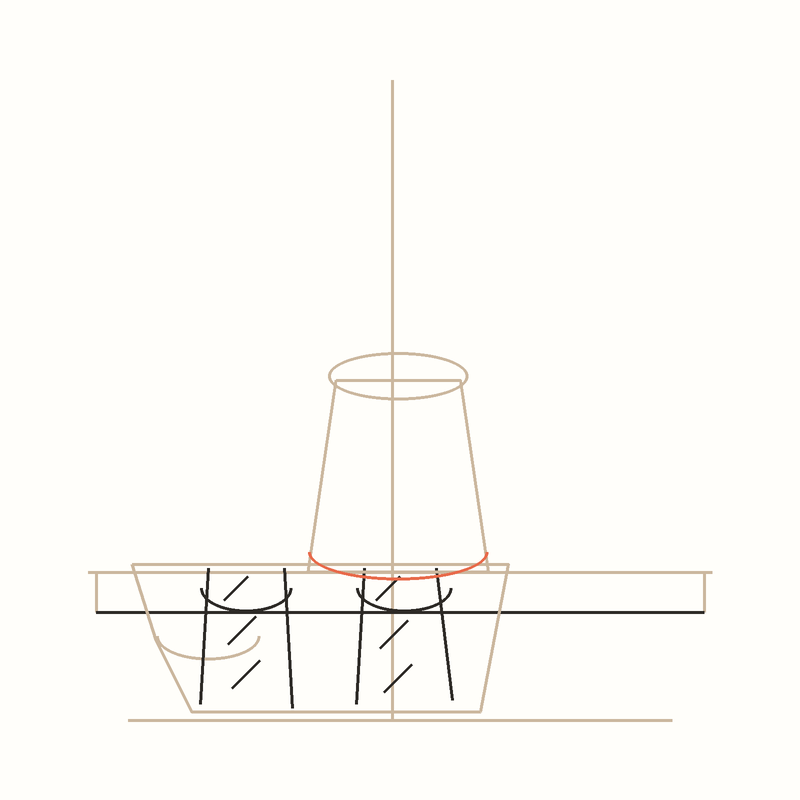
Stand the vase on the cloth: a swelling body, a rim ellipse, and its base planted exactly on the table line — through the cloth, the line still rules.
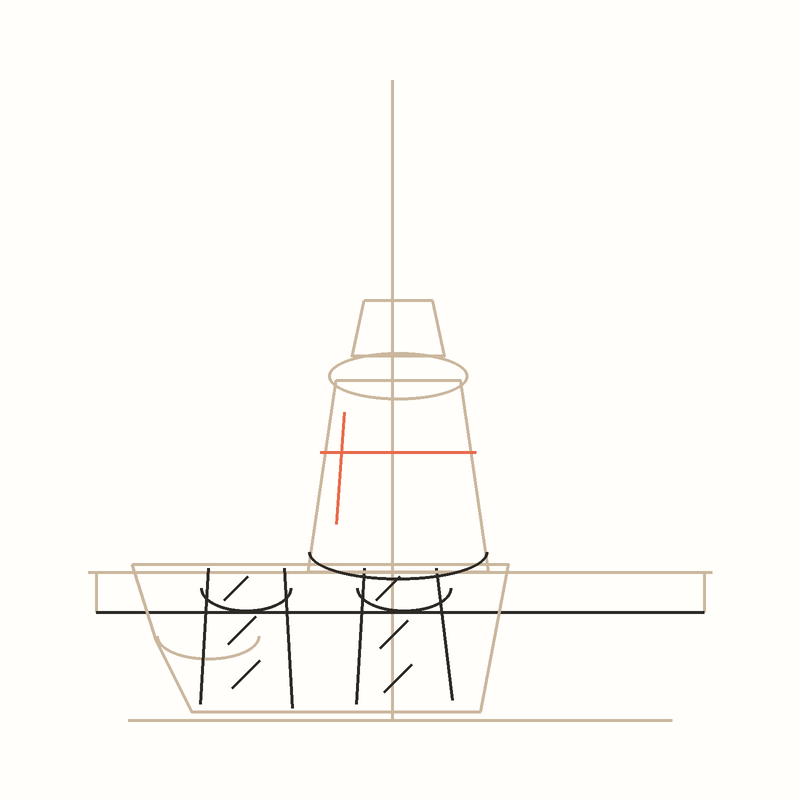
Add the vase's neck, a long highlight down its left side, and one band line around its belly.
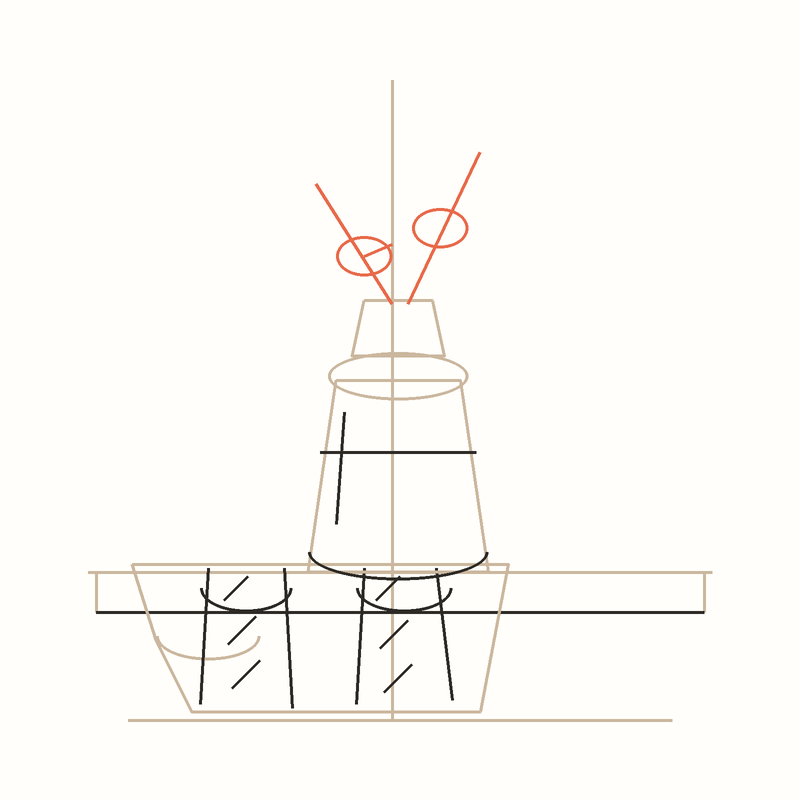
Grow two stems from the neck, leaning apart, with two leaves cupping the stems' middles.
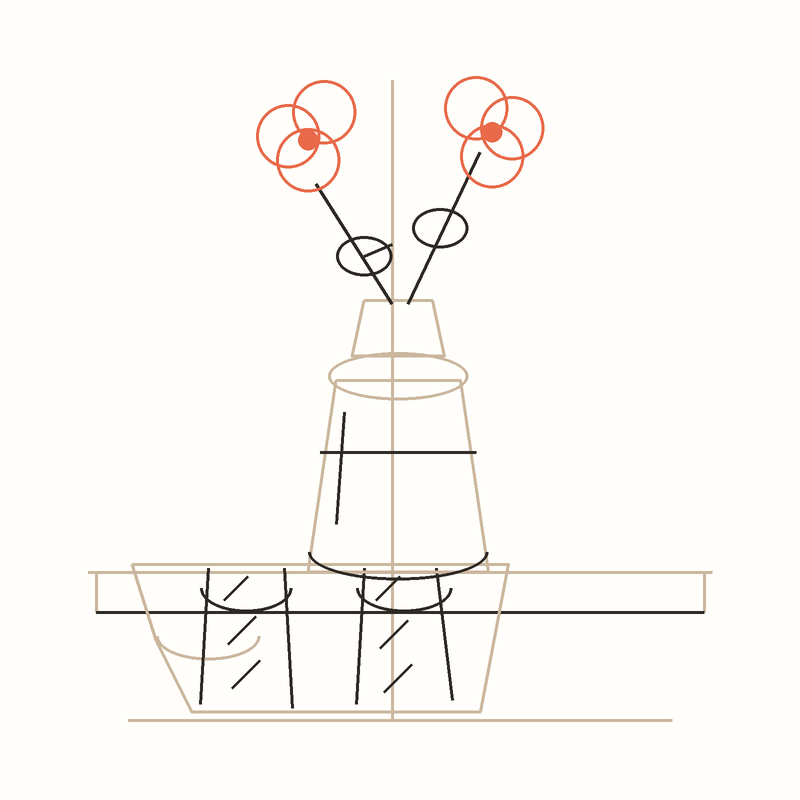
Open the blooms: three overlapping petal ellipses around a dotted heart for each flower. Messy rings read as petals; perfect circles read as lollipops.
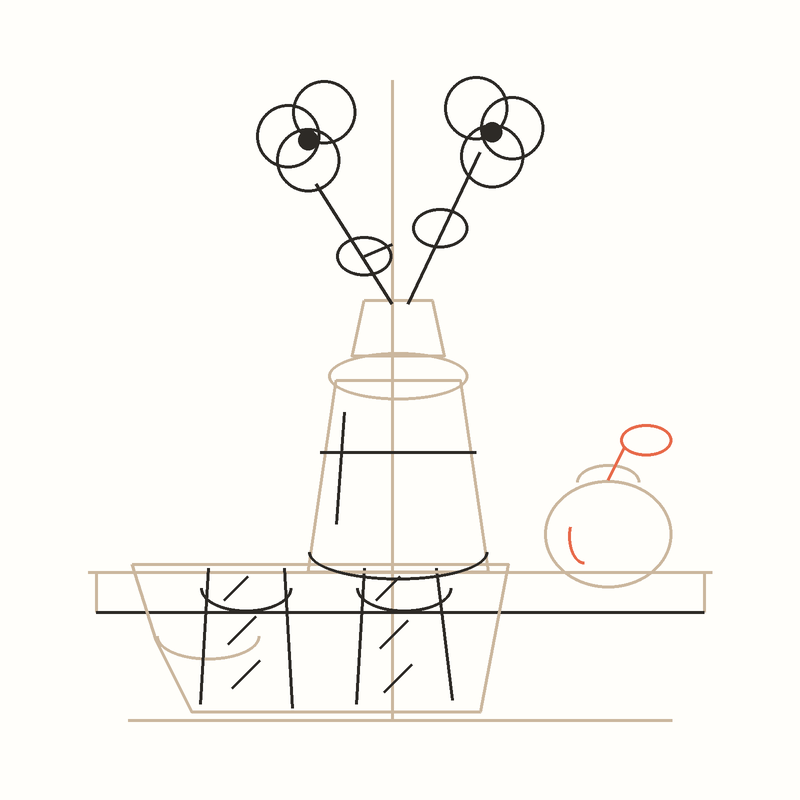
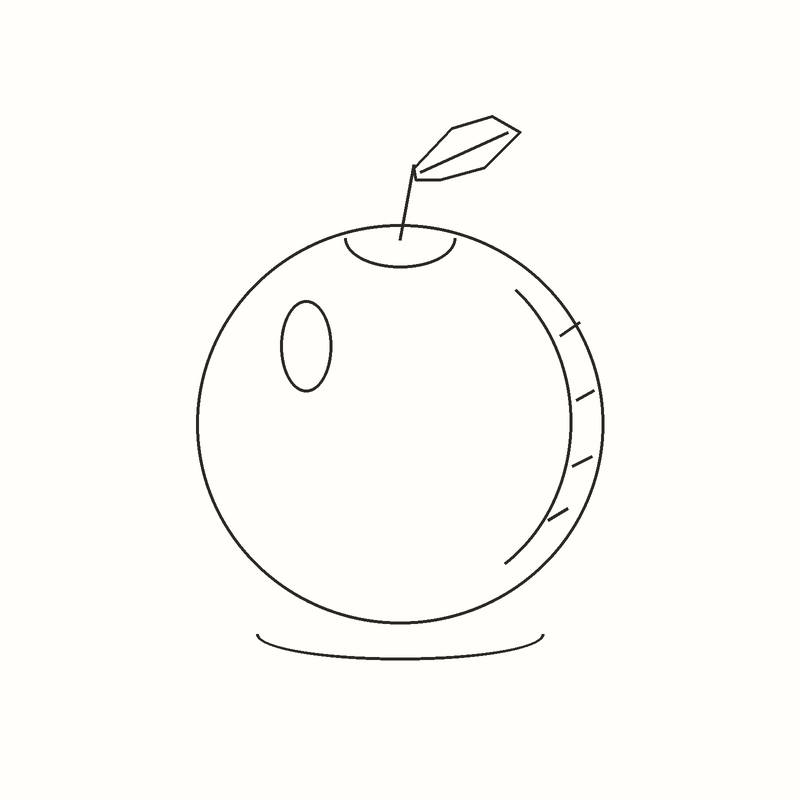
Roll the apple away to the right, alone on the bare table: round body, a dip at the top, a stem, one leaf, and a slim highlight arc. Its loneliness is the composition's story.
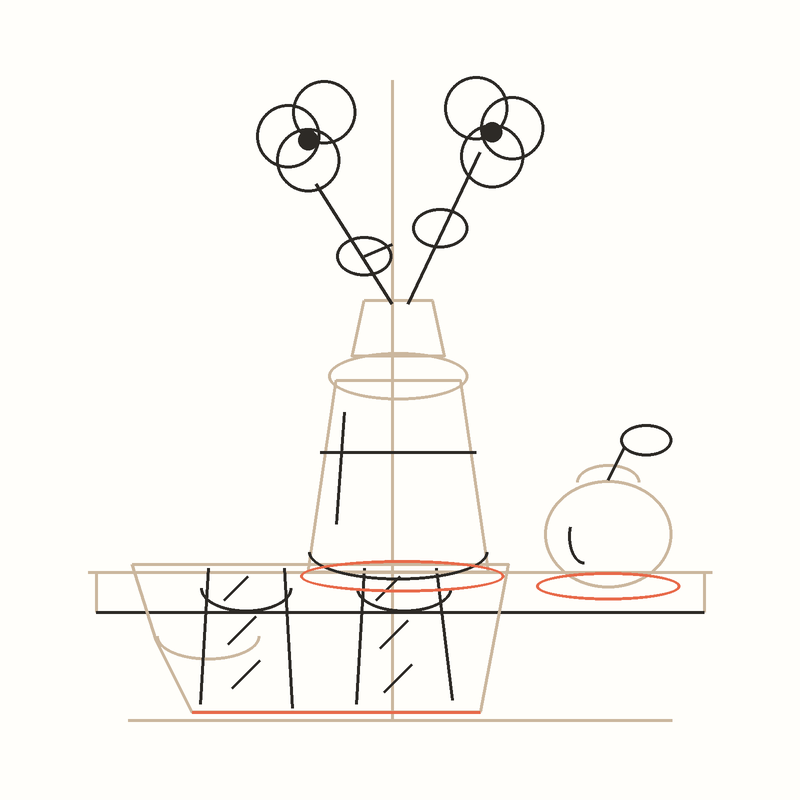
Cast the shadows: a pool under the vase, a pool under the apple, both on the same table line, and the cloth's hem line closing the drape.
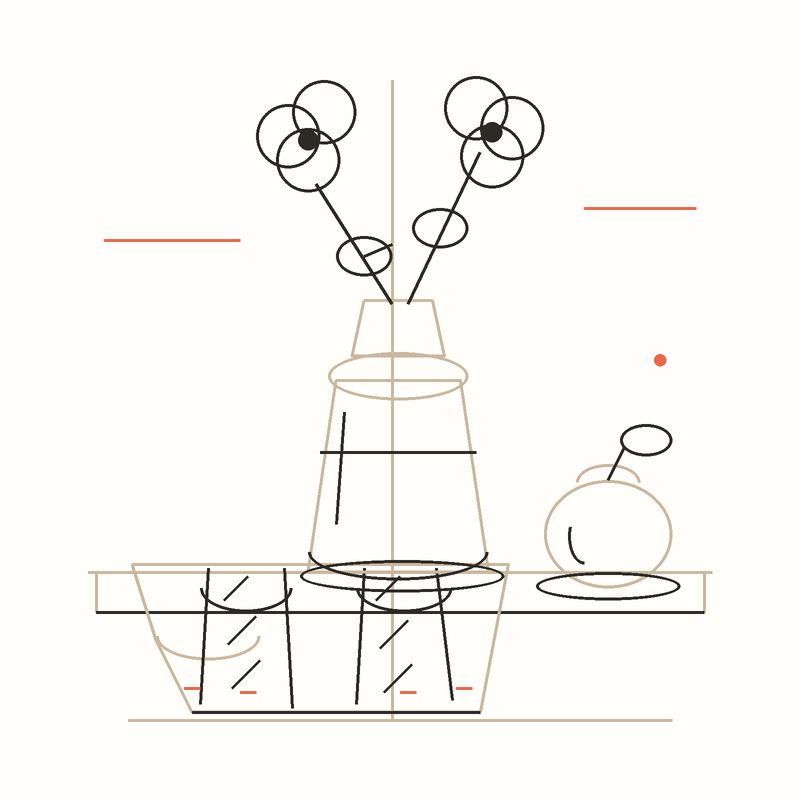
Finish with stitch dashes along the hem, two quiet background lines to seat the arrangement in a room, and one small wall dot. Boss beaten — sign it like a painter.
Coach tips for this lesson
Before you call it done, run these three checks — they're the same ones the app asks in its Coach Check:
- Do vase, apple and cloth all agree on the single table line?
- Do all fold lines fall vertically, with hatching that leans one way only?
- Does the composition balance — heavy drape left, lone apple right, flowers crowning the top?
Three objects, one horizon: the cloth's top run, the vase's base and the apple's underside must all meet the table line. A base floating a few millimetres above it quietly ruins the whole still life — lower the object, never the line.
Hanging cloth obeys gravity: fold lines run straight down, and shadow hatching leans a single consistent way, as if lit from one window. Folds that splay or hatching that changes direction mid-cloth reads as wind, not drape. Straighten and unify.
The arrangement is a triangle: flowers at the crown, drape massing at the lower left, the apple anchoring the lower right. If one corner feels empty or crowded, adjust that object's size — not its position on the table line.
Finish this lesson in the app
In the free Draw.guru app you can trace this lesson on screen for an instant score, or photograph your paper drawing and overlay it on the reference with Smart Compare. Join the waitlist for launch.
One launch email, that's it. No spam, unsubscribe any time.