Home · Lessons · Fantasy & Cute
How to Draw a Wizard Portrait
A free step-by-step lesson in 10 steps — about 26 minutes with just a pencil, an eraser and paper. Draw the light shapes first; they get erased at the end.
The 10 steps
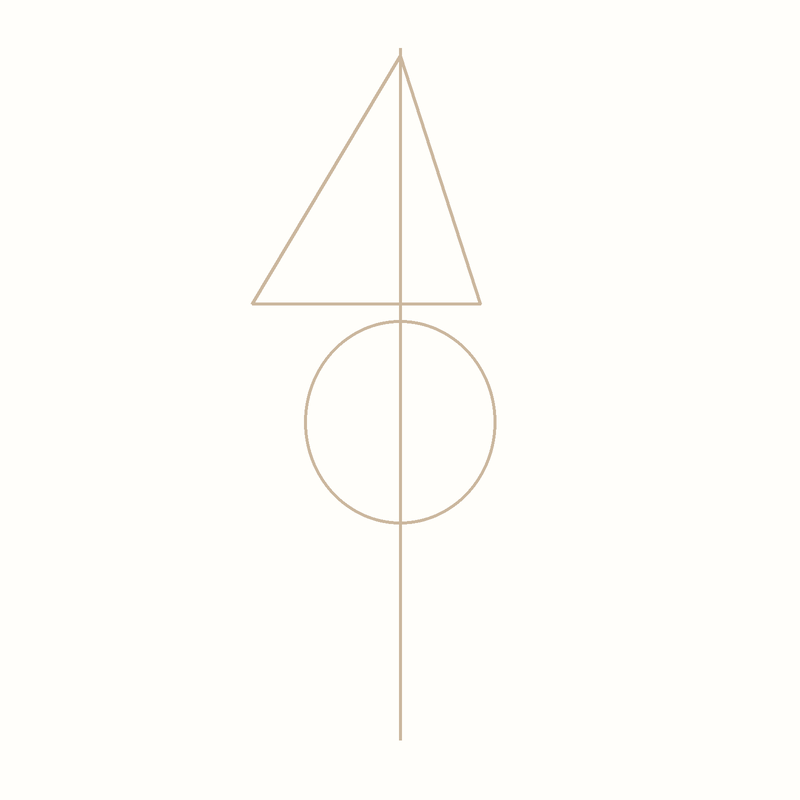
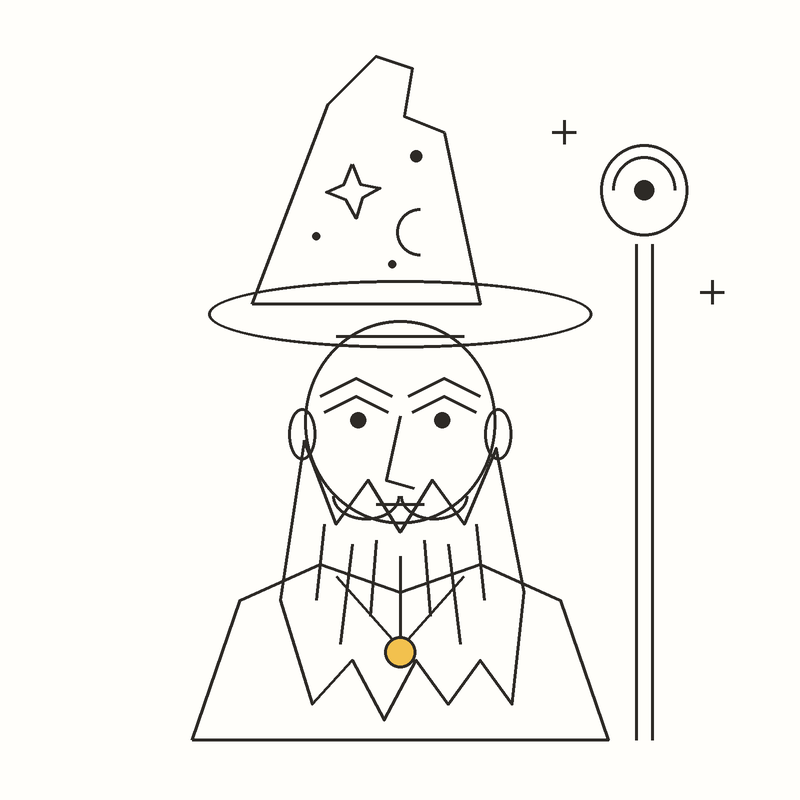
A portrait with presence. Sketch the guides: the centre line, the long face oval, and the tall cone the hat will fill.
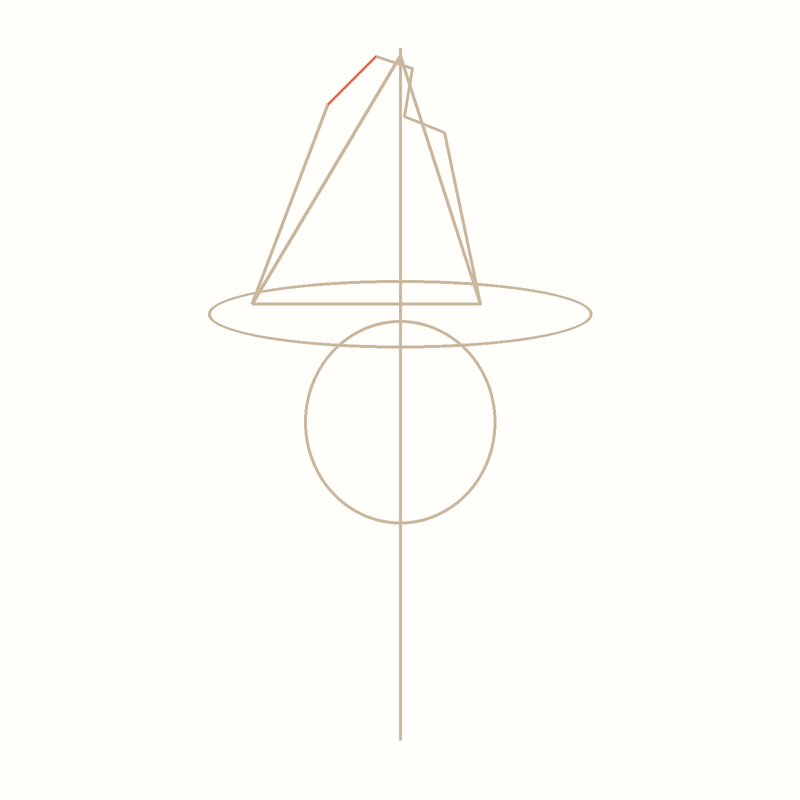
Raise the hat: a tall cone whose tip flops gently to one side — that bend is centuries of character — and float the wide brim beneath it.
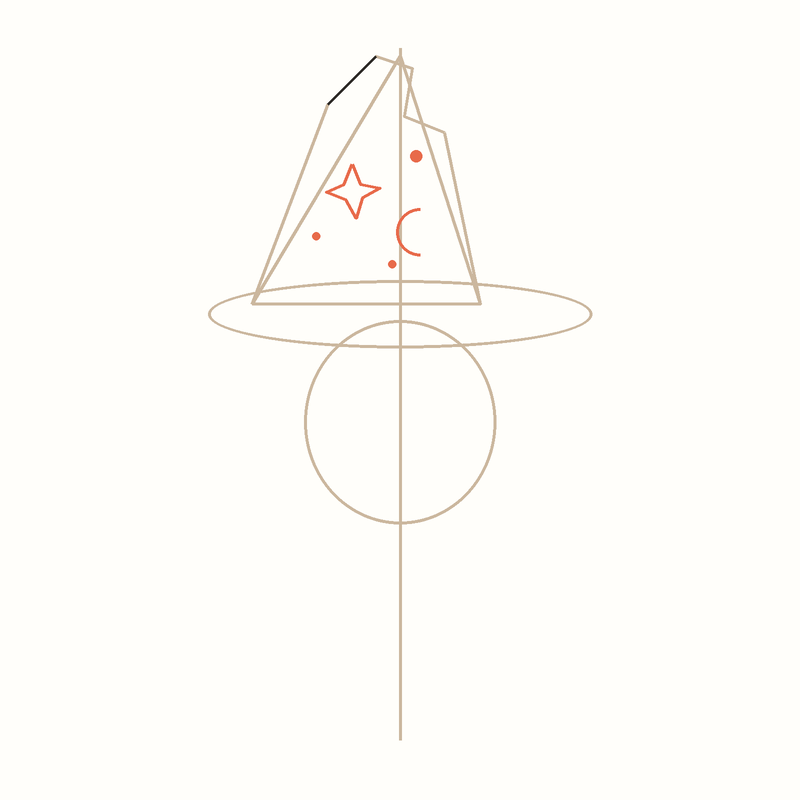
Dress the hat with a star, a crescent moon and pinprick stars. Keep them small; the hat is deep blue in the mind's eye, and the silver needs room.
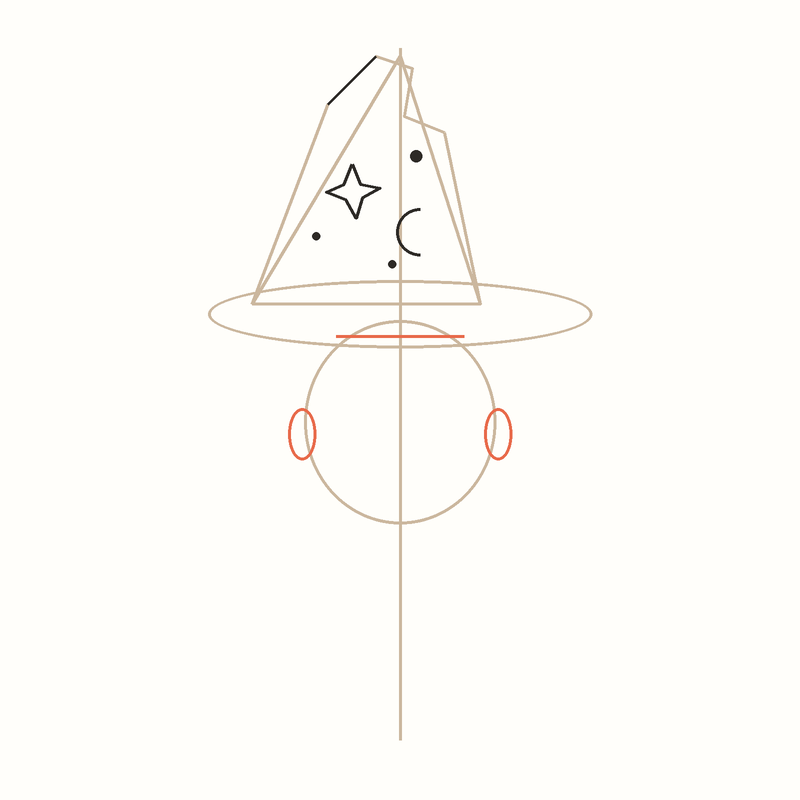
Draw the long face and two ears peeking out, with the hairline tucked under the brim.
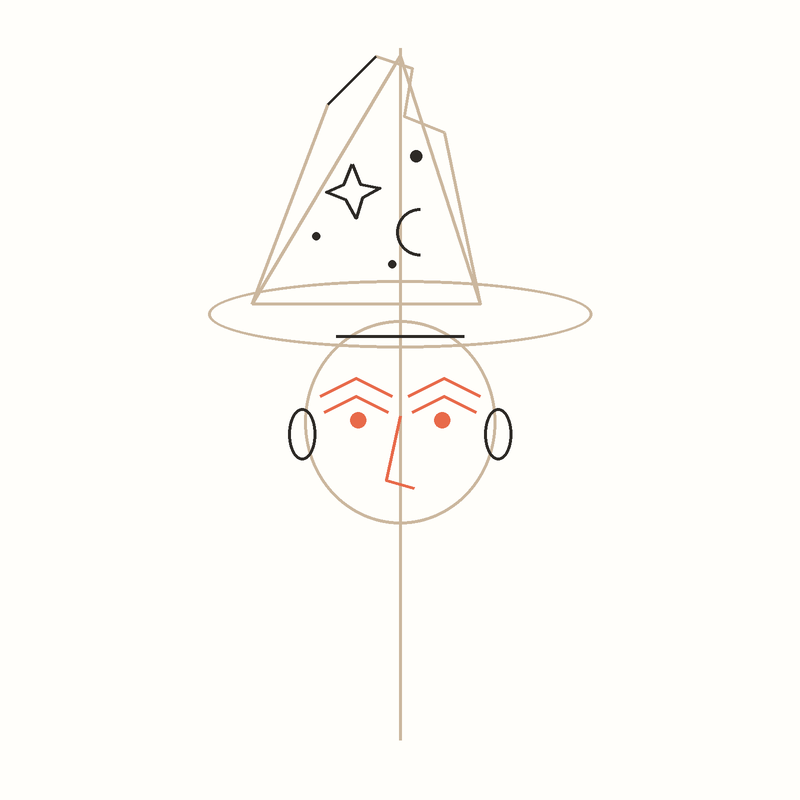
Bush the eyebrows out in double zigzags — a wizard's brows are weather systems — then set kind eyes beneath them and the long, thoughtful nose.
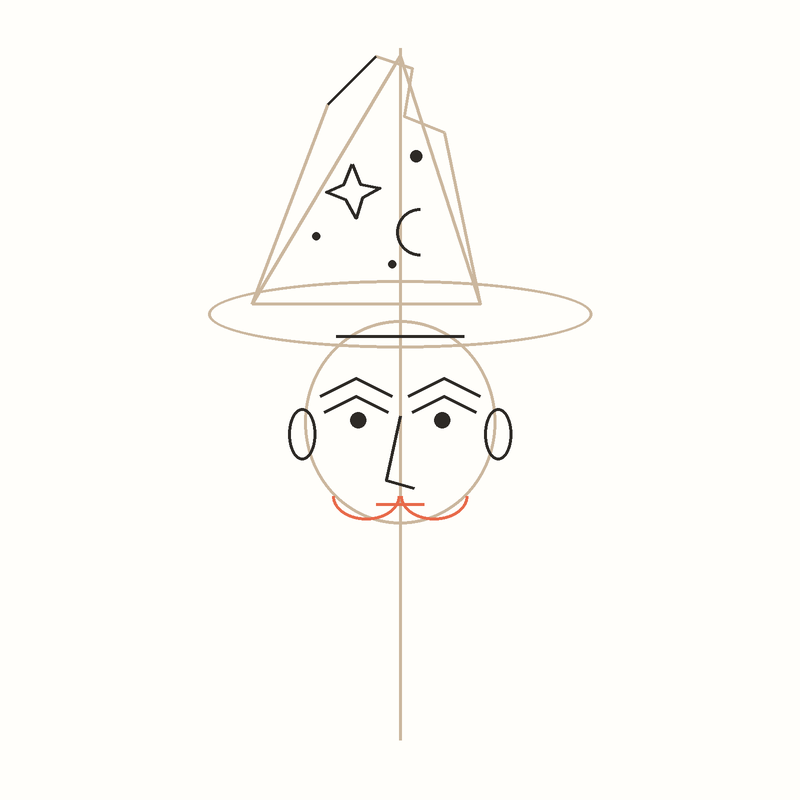
Sweep the moustache in two arcs, hiding the mouth entirely. Whatever he's smiling about, it's a secret.
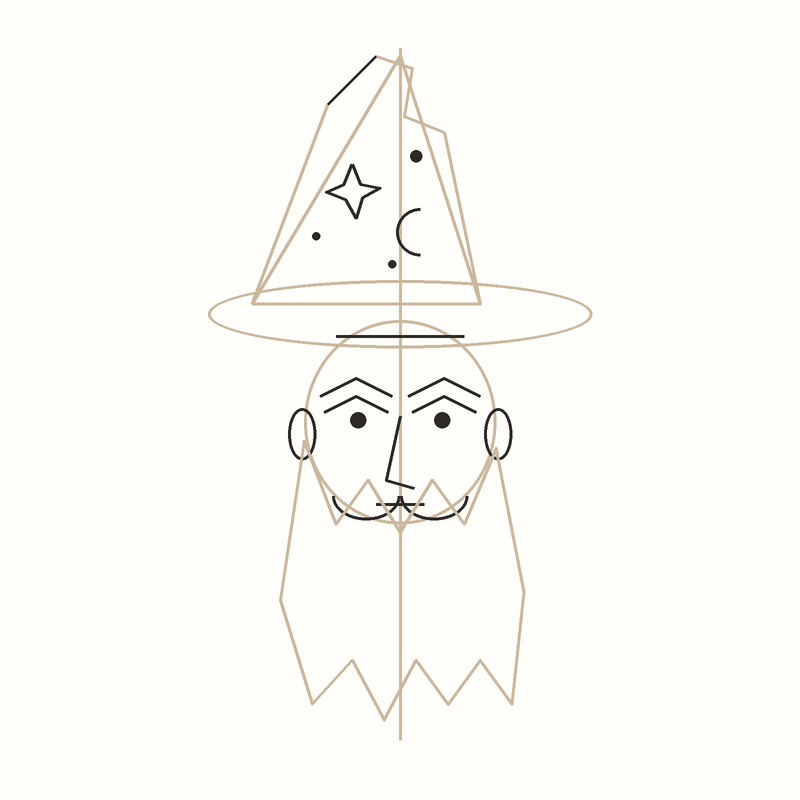
Pour the beard: a great mass falling from the cheeks, its bottom edge breaking into slow waves, the top edge parting in a W under the chin.
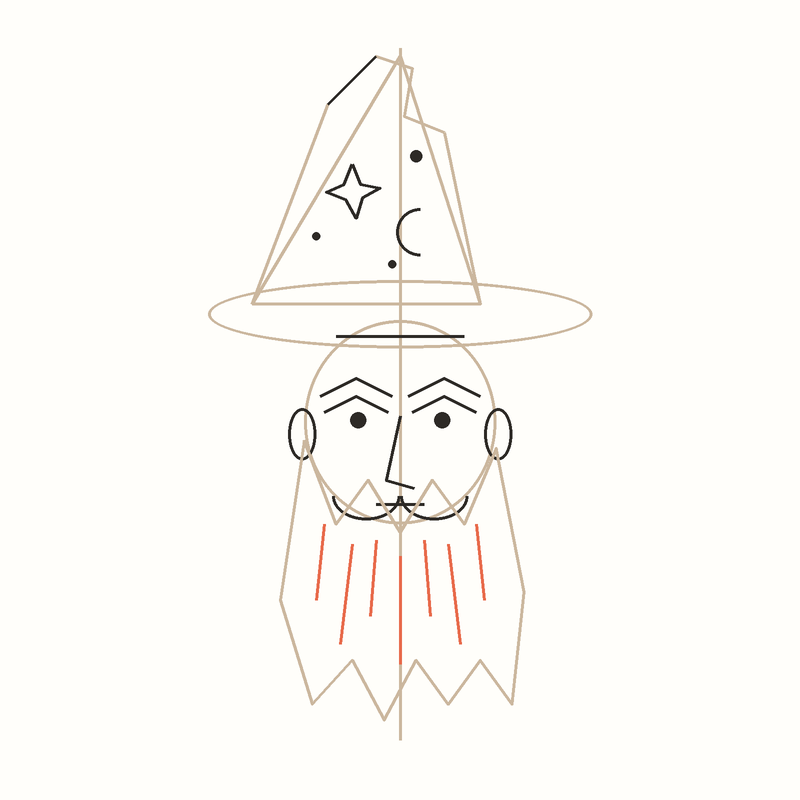
Comb the beard in strand groups — long wavy lines gathered in families of two and three, all flowing the same way, like water finding its course.
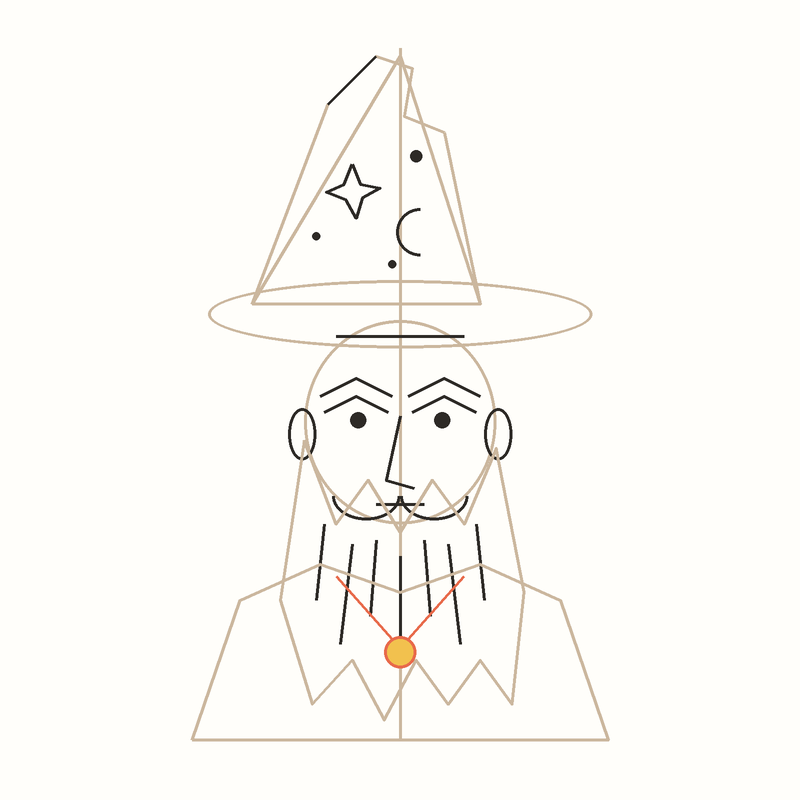
Set the shoulders and robe: a wide collar V and a golden clasp at the throat where the beard parts around it.
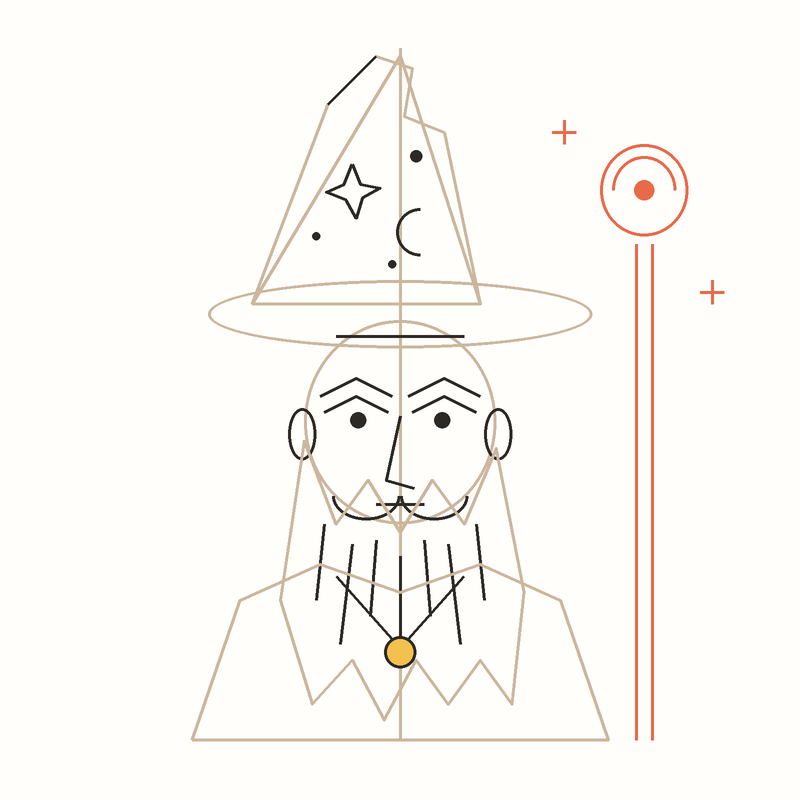
Plant his staff at his side, its orb ringed and glowing, with two sparkles of stray magic. A thousand years old, and still curious — that's the portrait.
Coach tips for this lesson
Before you call it done, run these three checks — they're the same ones the app asks in its Coach Check:
- Does the beard's hem wave in slow, even swells rather than nervous zigzags?
- Does the hat tip bend gently to ONE side, with the brim staying level?
- Do the beard strands flow in grouped families, all heading the same way?
A great beard moves like slow water: its hem should swell in long, lazy waves — five or six broad humps, not twenty nervous spikes. If yours looks like a fir tree, redraw the hem with fewer, wider curves and let the points between them hang lower, like drips.
The bend is a flop, not a fold: the cone rises straight for most of its height, then the last quarter tips softly to one side, the way felt gives up. And the brim must stay dead level underneath — a tilted brim plus a bent tip makes the whole hat look like it's sliding off.
Hair is drawn in families, not single lines: group two or three strands that start together, travel together and end together, then leave a clear gap before the next family. Evenly spaced single strands read as a rake. Groups read as hair — in beards, manes and tails alike.
Finish this lesson in the app
In the free Draw.guru app you can trace this lesson on screen for an instant score, or photograph your paper drawing and overlay it on the reference with Smart Compare. Join the waitlist for launch.
One launch email, that's it. No spam, unsubscribe any time.