Home · Lessons · Nature & Landscapes
How to Draw a Waterfall
A free step-by-step lesson in 7 steps — about 18 minutes with just a pencil, an eraser and paper. Draw the light shapes first; they get erased at the end.
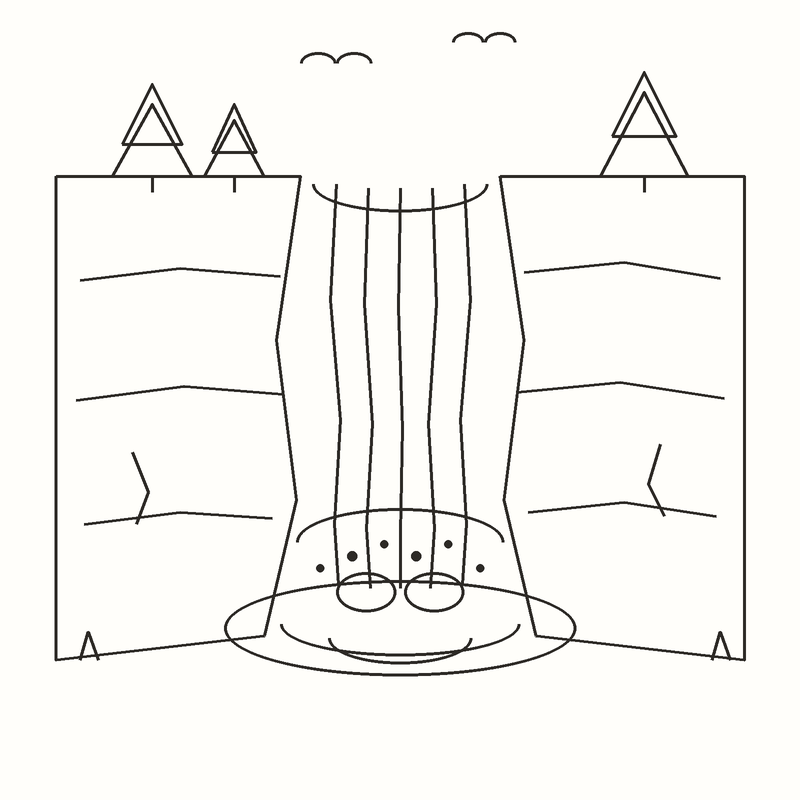
The 7 steps
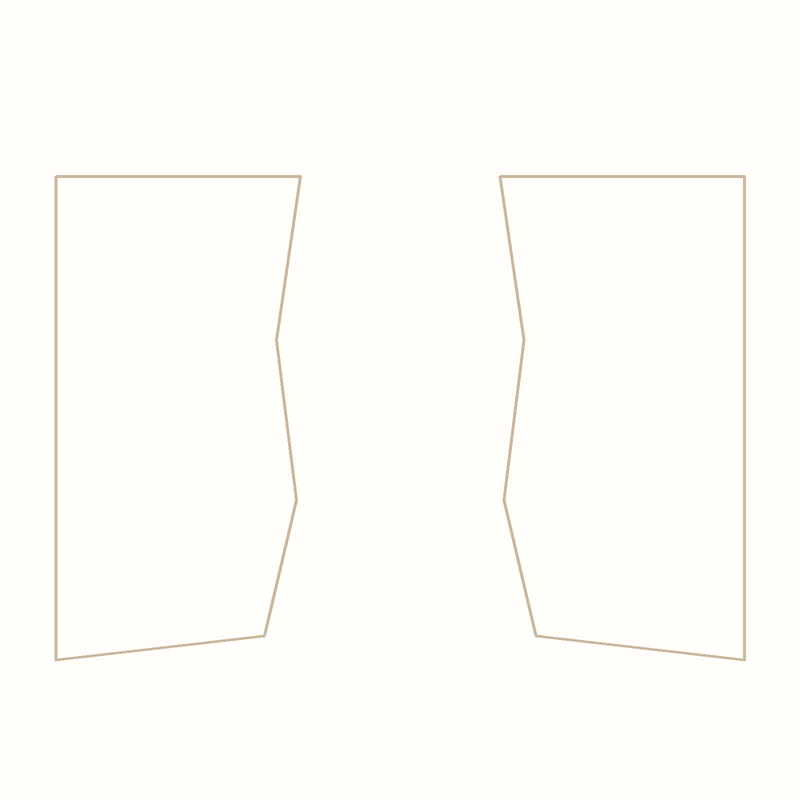
Build two cliff masses, left and right, leaving a gap in the middle where the water will fall. The cliffs are widest at the top.
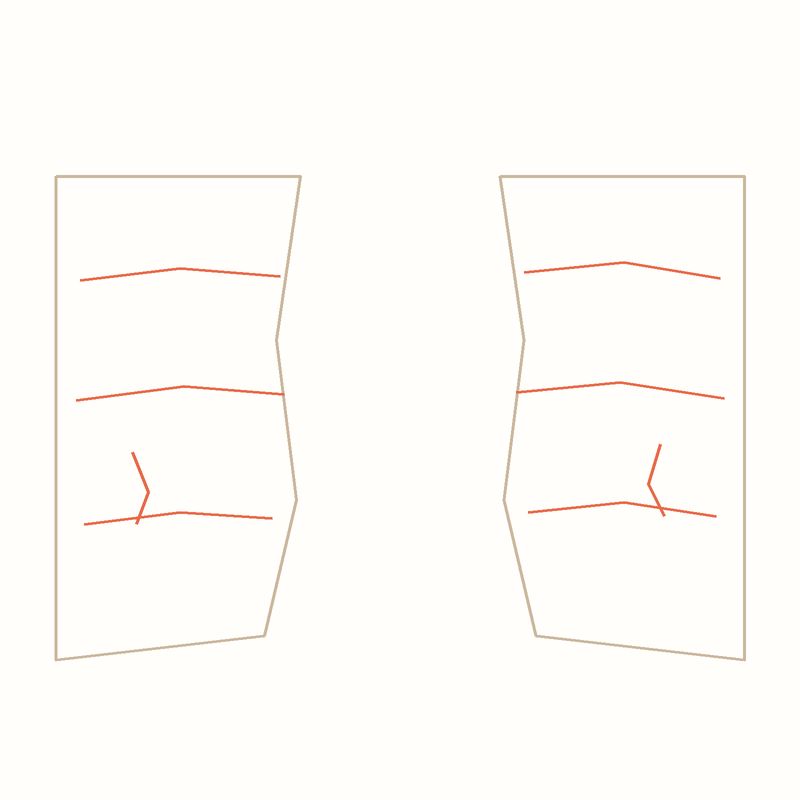
Cut rock layers into both cliffs: three wavy bands across each side, plus a short crack line for character.
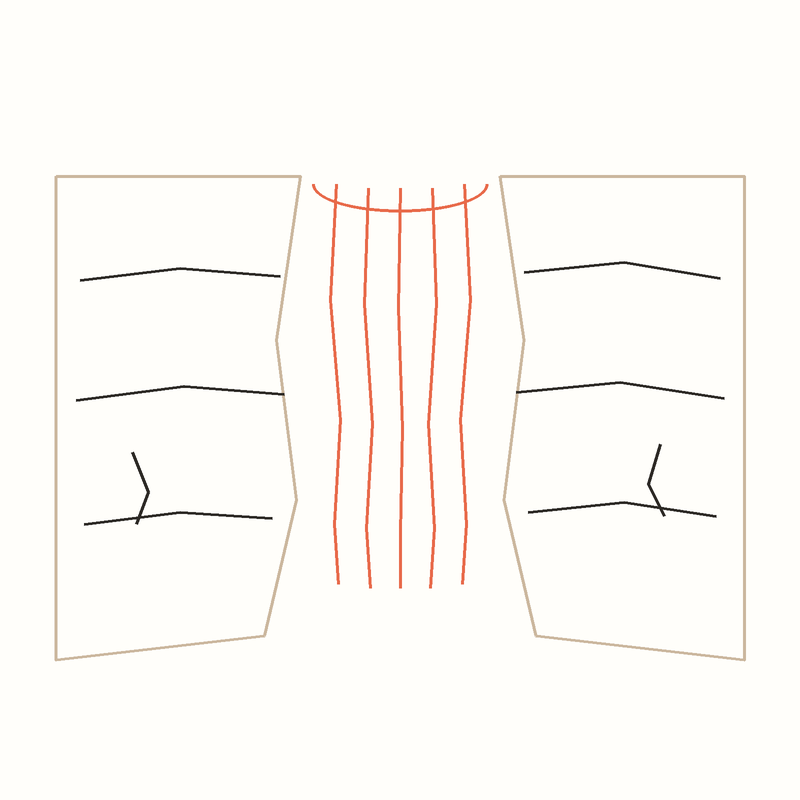
Pour the waterfall: a curved lip at the top, then five long wavy lines flowing unbroken all the way down.
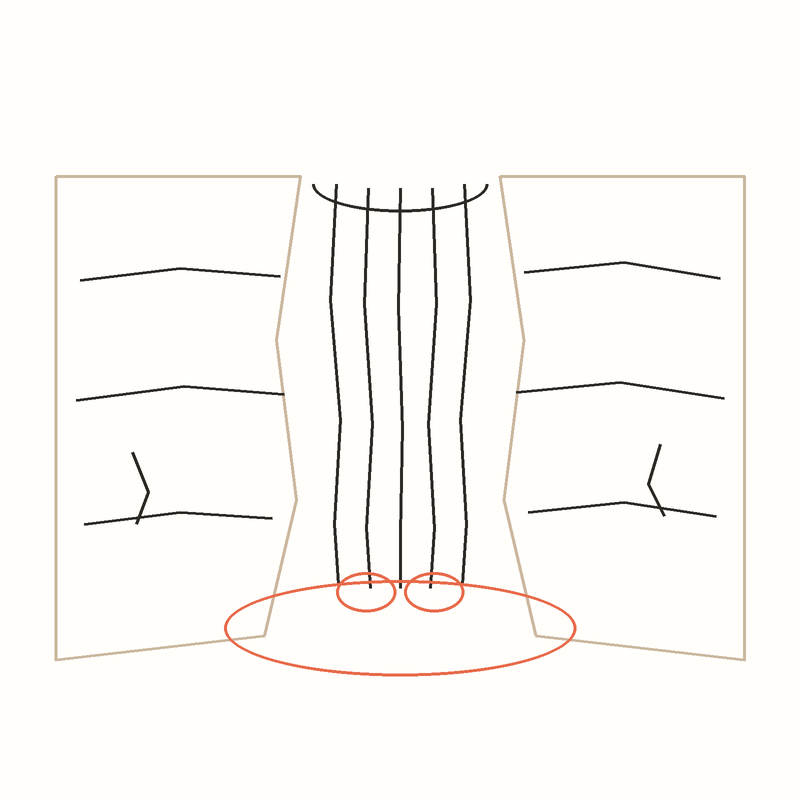
Catch the water in a wide, flat pool, and pile two foam bubbles where the falls land.
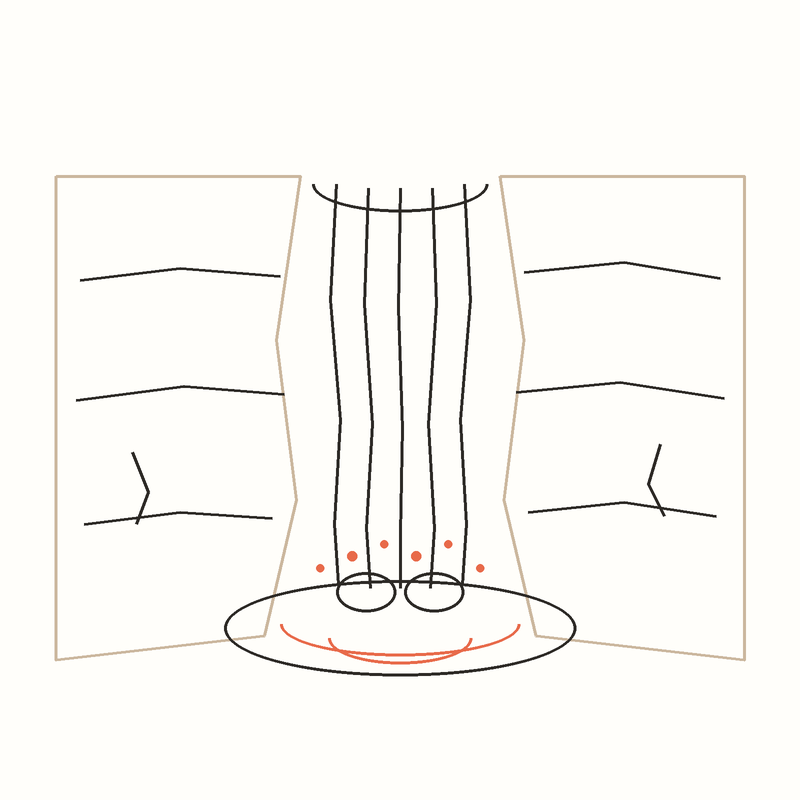
Spread ripples through the pool with two wide arcs, and flick splash dots up around the foam.
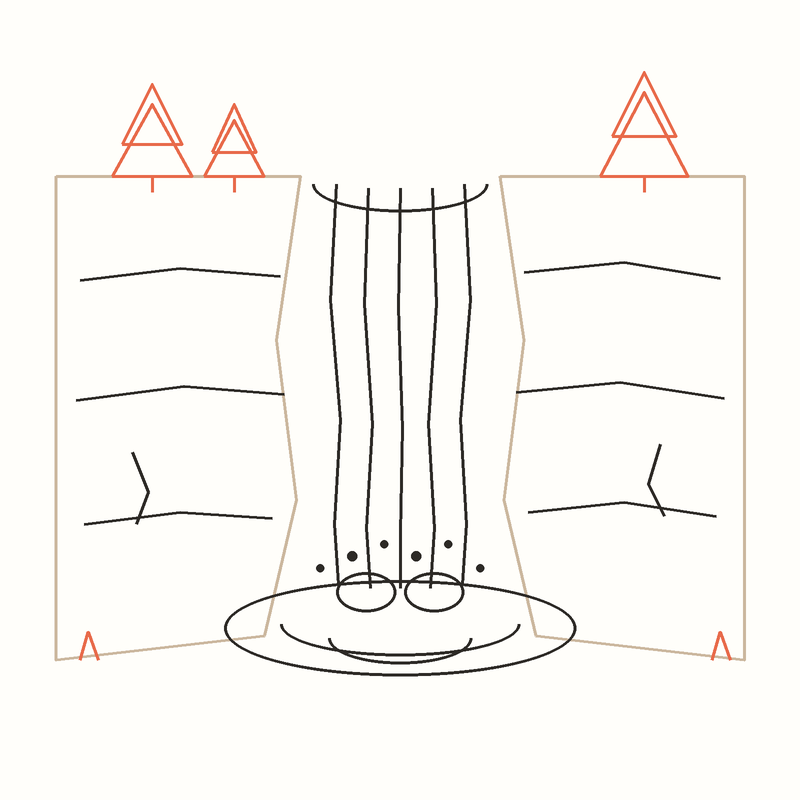
Stand pine trees on both cliff tops — tall ones on the right, a pair on the left — and tuck grass at the cliff feet.
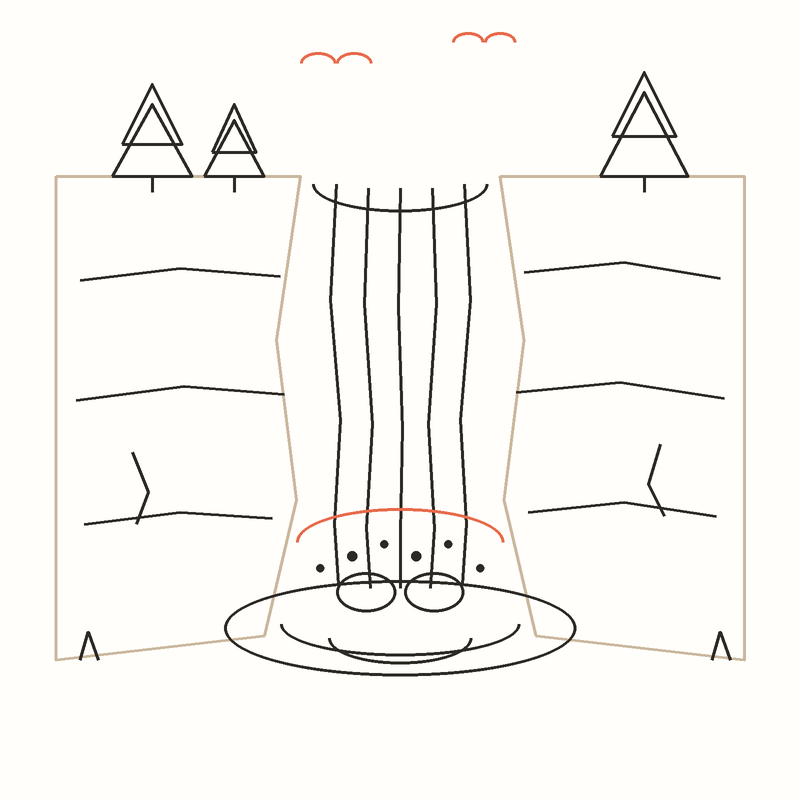
Finish with one soft arc of mist drifting above the pool and two birds riding the air currents.
Coach tips for this lesson
Before you call it done, run these three checks — they're the same ones the app asks in its Coach Check:
- Do the water lines flow unbroken from the lip to the pool?
- Is the waterfall gap centred, with cliffs framing it evenly?
- Do the ripples stay inside the pool ellipse?
Falling water never stops mid-air. Each line should start at the lip, wiggle gently side to side as it falls, and end inside the foam — no gaps, no line stopping halfway down. Keep the lines roughly parallel: water speeds up and the stream narrows slightly as it falls, so the bottom ends can sit a touch closer together than the tops.
The scene works because the cliffs act like curtains on a stage: two heavy masses with the bright water between them. If the gap is off-centre or one cliff is much thinner, the composition tips over. Aim for cliffs of similar width and a gap about a quarter of the page, dead centre.
Ripples are rings spreading on the water's surface, so they must live inside the pool's outline and follow its flat, squashed shape — wide arcs, not round circles. A ripple poking outside the pool line reads as a crack in the ground. Keep the arcs widest near the foam and smaller as they spread toward you.
Finish this lesson in the app
In the free Draw.guru app you can trace this lesson on screen for an instant score, or photograph your paper drawing and overlay it on the reference with Smart Compare. Join the waitlist for launch.
One launch email, that's it. No spam, unsubscribe any time.